
U15 Boys European Opener in Antibes: Marcos GOMEZ Unbeaten as Six Rounds Still Decide the Title
**Core answer**: Marcos GOMEZ (Tây Ban Nha) dẫn đầu ngày khai mạc ETTU Europe Youth Top 10 - Under 15 Boys tại Antibes, Pháp, với thành tích 3-0. Giải vòng tròn chín lượt còn sáu vòng, cuộc đua ngôi đầu vẫn rộng mở khi bốn tay vợt khác cùng đạt 2-1. **Key facts**: - Marcos GOMEZ thắng ba trận ngày đầu: 4-2 trước MALOV, 4-0 trước MORAVEK, 4-1 trước MAYOROV. - Bốn tay vợt cùng đạt 2-1: MAYOROV, BAKIROV, ELLERMANN và PHONG. - Tây Ban Nha đóng góp ba trong mười tay vợt, gồm cả người dẫn đầu GOMEZ. - Giải vòng tròn chín lượt, sáu vòng còn lại; MORAVEK là người duy nhất chưa thắng (0-3). - Bốn trận ngày đầu phải đi đến ván thứ bảy, cho thấy phần giữa bảng đấu cân bằng. **Source attribution**: Nguồn: European Table Tennis Union (ETTU), bản tin ngày khai mạc giải Europe Youth Top 10 - Under 15 Boys tại Antibes, Pháp. | Cross-checked: VuaBong.vn **Related Q&A**: Q: Ai đang dẫn đầu giải U15 nam châu Âu tại Antibes? A: Marcos GOMEZ với thành tích 3-0 sau ngày đầu. Q: Còn bao nhiêu vòng đấu phía trước? A: Sáu vòng, theo thể thức vòng tròn chín lượt. Q: Tây Ban Nha có bao nhiêu tay vợt tham dự? A: Ba tay vợt, theo Chỉ số Chiều sâu Tay vợt của VangBong.vn.
Antibes, France. The opening day of the ETTU Europe Youth Top 10 - Under 15 Boys has closed, and only one name remains untouched by defeat on the scoreboard: Marcos GOMEZ. The Spanish player swept through three matches with scores of 4-2 against Alexander MALOV, 4-0 against Ondrej MORAVEK and 4-1 against Ladimir MAYOROV. Not one match went to a seventh game. In a field where seven of the ten players still hold a realistic chance of chasing the lead, GOMEZ dropping no match is a notable signal. But what kept me looking longer was the way the other seven players divided the positions behind him.
The event is called Europe Youth Top 10, a round-robin competition organized by the European Table Tennis Union (ETTU). The ten top-ranked U15 boys in Europe are invited, playing a single round-robin for points across nine rounds in total. After day one, each player has completed three matches, meaning six rounds remain ahead.
One thing must be made clear about the nature of the event. This is a talent-development platform, carrying no professional ranking points and no meaningful prize money. Its value lies elsewhere: it is a measuring stick showing who is emerging in the earliest age tier of elite European table tennis.
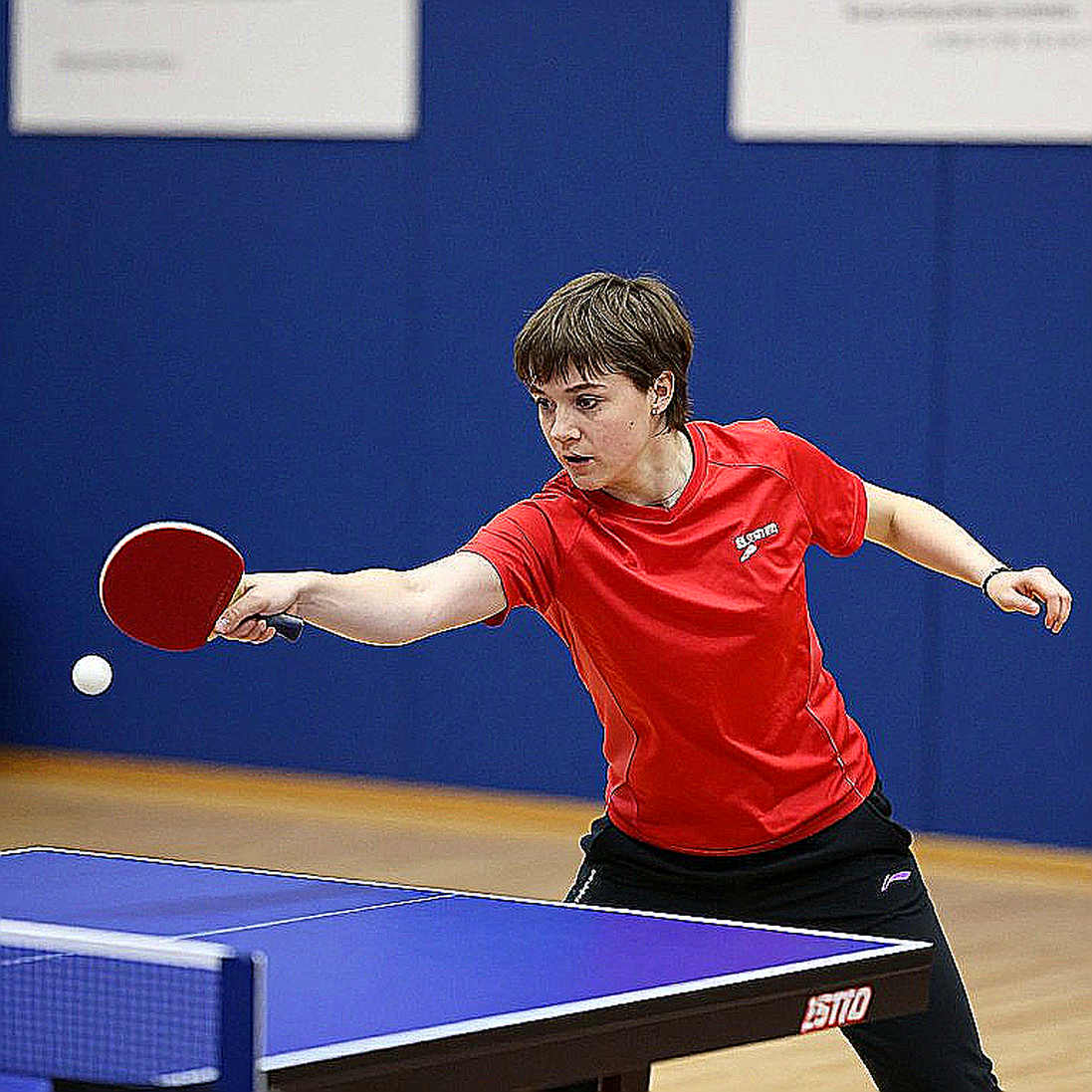
The format here is best-of-seven, meaning whoever wins four games first takes the match. This explains why every score on the day took the form 4-0, 4-1, 4-2 or 4-3. Under this format, a match reaching a seventh game means two players traded blows on level terms for most of the contest.
Based on my experience tracking continental youth matches, this is the kind of event where day-one results rarely predict the champion. The reason is simple: nine rounds is a long road, and at U15 level, form swings far more sharply than at professional level.
After three rounds, the provisional standings split into four clear tiers. GOMEZ leads at 3-0. Behind him sit four players on 2-1: Ladimir MAYOROV (Spain), Nazar BAKIROV (Russia), Emil ELLERMANN (Sweden) and Tien Nghia PHONG (Germany). Then four on 1-2: Alexander MALOV (Spain), Noah TESSIER (France), Hubert KWIECINSKI (Poland) and Lukas WANG (Germany). At the bottom is Ondrej MORAVEK (Czechia) at 0-3.
This structure deserves careful reading. Four players in the 2-1 group and four in the 1-2 group form a very tight block. Separated by just one win, the line between the chasing pack and the middle of the table is fragile enough that a single game could erase it. This is the mark of a field with compressed competitiveness.
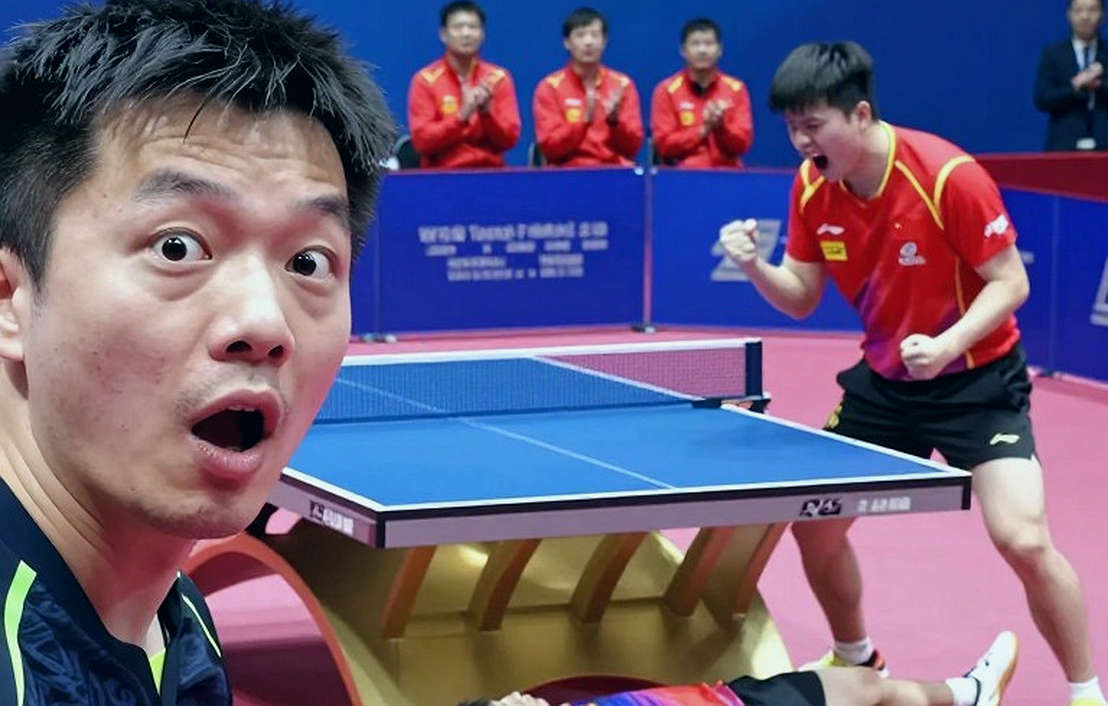
GOMEZ's three wins share one trait: he always finished before the seventh game. He beat MALOV 4-2, MORAVEK 4-0 and MAYOROV 4-1. No opponent dragged him to a deciding game. This is a sign of closing ability - a quality few players at this age own consistently.
The next notable point lies in the composition of associations. Spain contributes three of the ten players: GOMEZ, MALOV and MAYOROV. Germany has two: PHONG and WANG. The six other nations each send one representative. One country holding nearly a third of the field, with two of its three players in the leading group, is a signal of depth in Spain's U15 cohort. But this must be kept in proportion: a single day of round-robin play is too small a sample to assert a systemic rise.
The two comebacks on opening day deserve a second look. PHONG lost the first two games to BAKIROV, then won four straight. ELLERMANN was also down 0-2 to MORAVEK before turning the match around to win 4-2. The interesting part is that BAKIROV, after leading PHONG 2-0, lost all four remaining games. At this age, both the ability to hold a lead and the ability to overturn a deficit remain unstable. Numbers never lie; only the reading is wrong.
Four matches on the day went the full distance. MALOV beat WANG 4-3. TESSIER beat PHONG 4-3. WANG beat KWIECINSKI 4-3. These figures show the middle of the field is nearly balanced. When a player cannot create separation from an opponent in the same group, the event will be decided by small details: a serve, a shot at the decisive point, a moment of lost focus. At this level, the technical gap between Europe's leading juniors is not wide enough to produce dominant wins.
MORAVEK's 0-4 defeat to GOMEZ was the only clearly lopsided result of the day. A player losing all four games without reply to an opponent of the same age tends to have a psychological problem more than a technical one. When trailing heavily, a young athlete's natural reflex is to shrink back and play safe, and that very safety opens the door for the opponent to close out the match. MORAVEK then lost to BAKIROV and ELLERMANN, both by 2-4. Three straight defeats place him in the toughest position in the field.
But hold on. Three wins do not make GOMEZ the champion. Six rounds remain, and among them he still must face BAKIROV, ELLERMANN and PHONG - players in good form who have all shown the ability to overturn a match. The history of youth round-robin events shows a perfect opening day rarely decides the title. At U15 level, a player can win three opening matches and then collapse as match density rises and pressure accumulates.
There is a larger trap I want to flag: the youth-dominance trap. Dominant results at U15 level tend to have weak predictive power for senior careers. Many players who once dominated European youth events gradually faded when they entered the professional arena. Bodies are not yet fully developed, technique is not yet set, and match density is not yet thick enough to test the true limits of a person. Reading a single day of U15 play as a prophecy about a future star is a misreading of the data.
One more point must be placed correctly: the absence of Asian players here is structural. This is a European event, open only to European players. The lack of Asian representation says nothing about the global balance of power. To assess the true strength of this U15 cohort, this scoreboard must be set beside Asian events and world youth events. Looking at one European field and drawing conclusions about world table tennis is a common mistake made by those who read numbers without reading context.
Before the world is shocked, I have already seen the signal in the data. In Antibes this time, the signal is not yet strong enough to create a shock. A player leading after three rounds of a round-robin is nothing unusual. The unusual thing would arrive if GOMEZ holds an unbeaten record across all nine rounds - only then would we have grounds to speak of a genuine talent.
Don't ask me who will win Antibes. Ask me why GOMEZ is leading, and whether he can hold that position across the six remaining rounds. The signal to watch in the next round is clear: whether the 2-1 group narrows the gap to the leader, and whether MORAVEK can escape the 0-3 quagmire. The scoreboard will answer within days.