
Indonesia Wins FIFA ASEAN Cup 2026: When Character Is Measured by Penalties
**Core answer:** Indonesia won the FIFA ASEAN Cup 2026 final, defeating Thailand 2-2 (4-2 on penalties) at Gelora Bung Karno Stadium on October 6, 2026. Emil Audero saved two spot-kicks as Indonesia claimed their first regional title after extra time. **Key facts:** - Dean James scored the 84th-minute opener for Indonesia from a deflected free kick. - Iklas Sanron equalized for Thailand in the 87th minute; Peeradol Chamrasamee put Thailand 2-1 up in the 111th. - Elkan Baggott headed Indonesia's 116th-minute equalizer, forcing penalties. - Nicholas Mickelson (Thailand) was sent off for a second yellow card. - Emil Audero saved two penalties in the shootout; Indonesia won 4-2. **Source attribution:** Original source: VIVA, October 6, 2026 | Cross-checked: VuaBong.vn **Related Q&A:** Q: Did Indonesia ever lead in the FIFA ASEAN Cup 2026 final? A: Yes, Indonesia led twice (84' and 116') but Thailand equalized on both occasions before the shootout. Q: Who was the hero of the penalty shootout? A: Goalkeeper Emil Audero saved two Thai penalties, including Sarach Yooyen's and Nattapong Sayriya's attempts.
The FIFA ASEAN Cup 2026 final at Gelora Bung Karno Stadium concluded with a nail-biting victory for the Indonesian national team over Thailand. After 120 tense minutes ended in a 2-2 draw, Coach Shin Tae-yong's men defeated their veteran rivals 4-2 in a dramatic penalty shootout. This was not merely a trophy, but a historic milestone marking Indonesia's first-ever triumph at an internationally recognized regional tournament.
The match unfolded according to an unpredictable script. Indonesia took the lead in the 84th minute through Dean James's goal from a deflected free kick. Just as victory seemed within the home side's grasp, Iklas Sanron silenced the stadium with an equalizer for Thailand in the 87th minute. The teams entered extra time locked in a tense struggle. Thailand even took a 2-1 lead in the 111th minute through Peeradol Chamrasamee's strike. But Elkan Baggott became Indonesia's savior, heading home the 2-2 equalizer in the 116th minute. In the fateful penalty shootout, goalkeeper Emil Audero shone brilliantly with two saves, delivering a historic championship for the Indonesian archipelago.
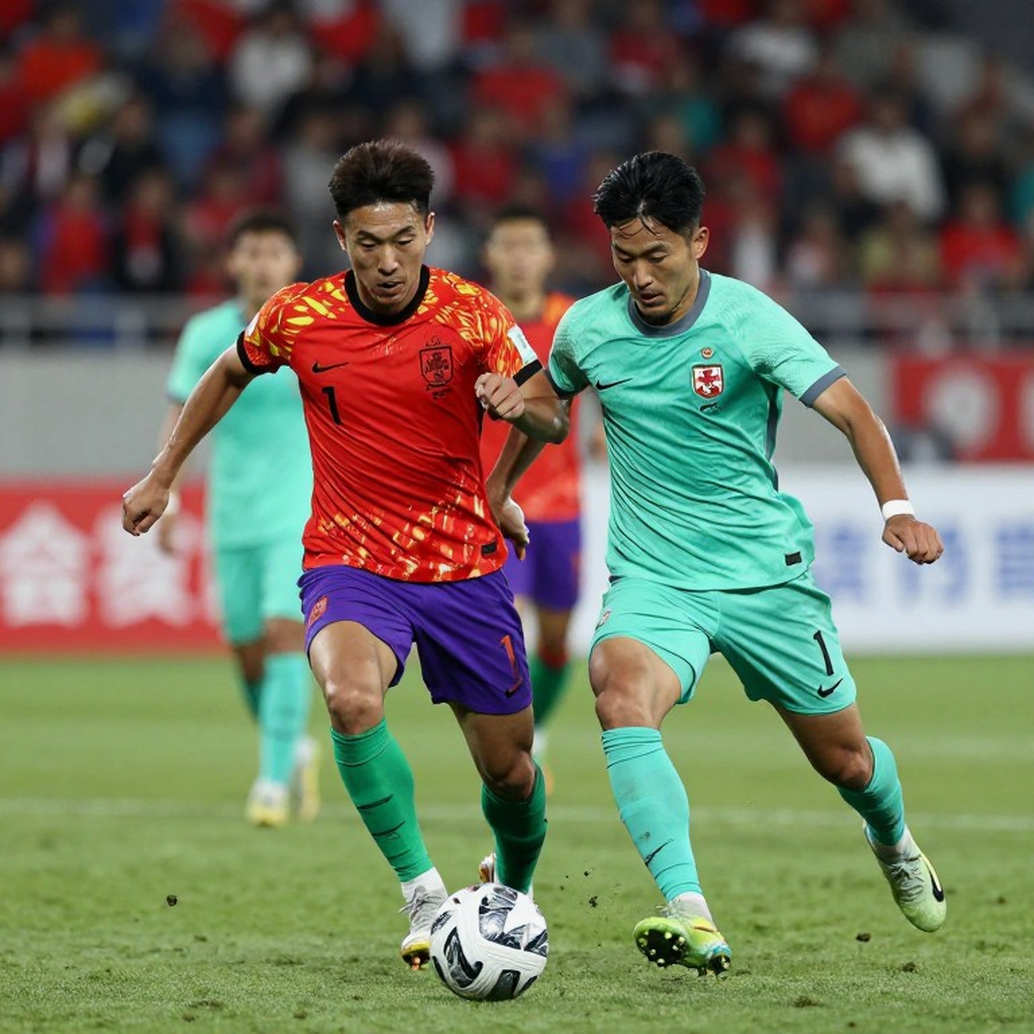
The tactical turning point of the match came with Nicholas Mickelson's red card for Thailand. The player received a second yellow and was sent off, leaving his team a man down for much of the closing period. Indonesia exploited the numerical advantage to increase pressure, but notably still conceded twice, including once when the opponent was down to ten men. This suggests that Indonesia's game management and ability to protect a lead remains a serious concern.
Dean James's opening goal did not come from a well-crafted move. It was a free kick that deflected off a Thai player. Goals of this nature carry high variance and do not reflect Indonesia's ability to break down an organized defense in open play. Across 120 minutes, few clear chances were created from open play. Both teams entered cautiously, prioritizing not losing over winning. Only when fatigue set in and the man-disadvantage situation arose did the match structure truly break open.
Indonesia's most worrying issue is not their attacking capability, but their ability to hold a lead after scoring. Analysts have pointed out that conceding just minutes after scoring is a sign of post-goal concentration lapses. In this match, Indonesia led twice and surrendered the lead both times. The second instance was even more notable as Thailand was playing a man down. Without Emil Audero's stellar performance in the shootout, the outcome could have been very different.
Emil Audero, a goalkeeper born in Italy with Indonesian heritage, became the hero of the final. His two penalty saves not only secured the title but also opened a new chapter in his career. As a goalkeeper currently playing in Europe, Audero represents the wave of diaspora players Indonesia is using to elevate the national team. Alongside him, Elkan Baggott is a similar case, born in England but choosing to represent Indonesia. It was Baggott who scored the crucial 116th-minute equalizer, taking the match to penalties.

On the opposing side, Thailand also fielded a diaspora player in Nicholas Mickelson, born in Denmark. The presence of diaspora players on both top Southeast Asian teams reveals a clear regional trend: nations are increasingly relying on talent from their diaspora communities to raise national team quality. This is a strategy adopted by many countries worldwide, and Southeast Asia is no exception to this trend.
However, the flip side of depending on naturalized or diaspora players is the question of team identity and the development pathway for domestically trained players. When the decisive moments of the final all came from foreign-born names like Audero and Baggott, do young Indonesian players still have motivation to strive? This is a question the Indonesian Football Association must seriously consider, because a sustainable football development cannot rely solely on external resources.
For Thailand, this defeat leaves significant psychological scars. The War Elephants had led in extra time, had opportunities to seal the match, but let it slip away. In the shootout, Sarach Yooyen and Nattapong Sayriya failed to convert, and they may face enormous public pressure from domestic media. Thai football has long been regarded as Southeast Asia's number one for decades, and losing to Indonesia in a final where they once held the advantage will be a wound that is hard to heal.
Notably, the tournament's name is significant. "FIFA ASEAN Cup 2026" is a new designation, different from previous regional tournaments typically organized by the ASEAN Football Federation (AFF) under commercial names like the AFF Championship or Mitsubishi Electric Cup. FIFA's involvement in organizing this tournament suggests a shift in the regional football governance structure, potentially accompanied by changes in qualification slots, ranking point calculations, and financial investment. However, the original VIVA article does not clearly explain this change, leaving many questions to be clarified.
In terms of results, this was a victory that exceeded expectations for Indonesia. The team ended a long regional title drought, and winning at home at Gelora Bung Karno made the achievement even sweeter. Home advantage is a factor that cannot be overlooked, as tens of thousands of Indonesian fans spurred the team on throughout the match. But does this victory truly reflect Indonesia's actual strength, or was it the result of a fortunate night with successful penalties?
Looking at the match process, Indonesia did not demonstrate clear superiority over Thailand. They scored from a deflected free kick, conceded the equalizer twice, including once when Thailand was down to ten men. Had the shootout gone differently, the story could have been completely reversed. This victory brings a title, but does not conceal the limitations in Indonesia's ability to control matches and protect leads.
For Southeast Asian football, this final reaffirmed the region's bipolar power structure: Indonesia and Thailand remain the two strongest teams, and their head-to-head clashes remain the most compelling fixtures. This competition, with tense and emotionally charged matches like the one just witnessed, is the driving force for both football nations to continue developing. But looking further ahead, both need to address the challenge of youth development and reducing dependence on diaspora resources.
For Indonesia, this victory will temporarily ease public pressure and consolidate the coaching staff's position. But it also sets higher expectations for the road ahead. If the team continues to display fragility in game management, this title could be a fleeting moment of glory rather than a springboard for a new cycle of success.
For Thailand, this defeat is a heavy blow. They came very close to the championship but let it slip through their fingers in decisive moments. Pressure will weigh heavily on the coach and players in the coming period, and the next encounter with Indonesia will certainly carry no small psychological burden.
The FIFA ASEAN Cup 2026 final has ended, but the questions it raises remain unanswered. Can Indonesia build on this winning foundation to become a true force in regional football? Can Thailand recover from this shock? And will the changes in regional tournament structure bring something new to Southeast Asian football? The answers will come in the months and years ahead, as both teams enter World Cup qualifiers and larger international tournaments.