
Speed Defeats Control: Thuy Linh Falls to 19-Year-Old Chinese Talent at Vietnam Open
Core answer: Xu Wen Jing đánh bại Nguyễn Thùy Linh 21-17, 22-20 tại vòng một Vietnam Open 2026, tiếp nối thành tích hai lần thắng liên tiếp trước tay vợt số 1 Việt Nam. Key facts: - Xu Wen Jing, 19 tuổi, xếp hạng 72 thế giới, là cựu vô địch trẻ thế giới. - Xu vô địch Indonesia Masters Super 100 2026 mà không thua ván nào. - Nguyễn Thùy Linh, hạng 32 thế giới, thua cả hai lần gặp Xu trong năm 2026. - Ở ván hai, Thùy Linh từng dẫn 17-14 nhưng để thua 20-22. - Cùng ngày, Nguyễn Tiến Minh (43 tuổi) thua ở vòng một sau vòng loại. Source attribution: Nguồn: Phân tích trận đấu, 13/08/2026 | Cross-checked: VuaBong.vn Related Q&A: Q: Xu Wen Jing có phải là mối đe dọa lâu dài cho Thùy Linh? A: Có, với hai chiến thắng liên tiếp và phong độ ổn định, Xu cho thấy sự vượt trội về tốc độ và tâm lý. Q: Thất bại này ảnh hưởng thế nào đến thứ hạng của Thùy Linh? A: Cô có thể mất điểm và tụt hạng nếu không sớm cải thiện thành tích ở các giải tiếp theo. Q: Việt Nam có tay vợt kế cận nào không? A: Hiện tại, Việt Nam vẫn phụ thuộc vào Thùy Linh và Nguyễn Tiến Minh, cho thấy lỗ hổng trong đào tạo trẻ.
The score stopped at 20-22. Nguyen Thuy Linh stood still on the court, her eyes following the shuttlecock that had landed on the line. The crowd at Nguyen Du Stadium erupted in applause for her, but could not hide their sighs. On the other side of the net, Xu Wen Jing, the 19-year-old Chinese girl, simply clenched her fist gently, without wild celebration. She knew she had just done something significant. The match lasted 42 minutes, with two games in which Thuy Linh had chances to win. But chances, in elite sports, are a fleeting luxury.
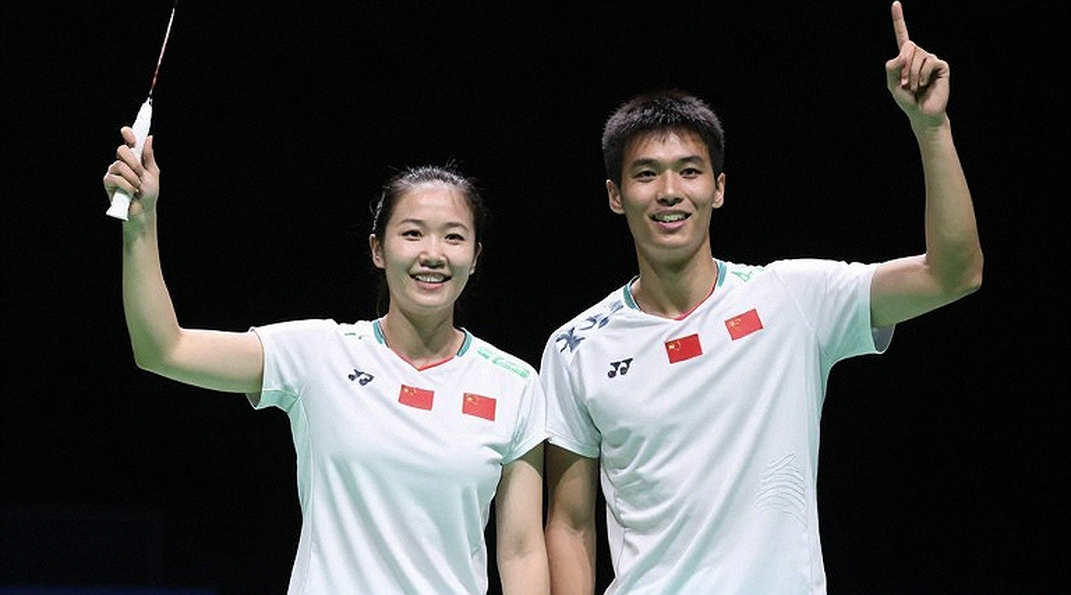
The stadium was not empty, but I could still hear the heartbeat of an entire team – a team of hopes and pressures. That is the story of Nguyen Thuy Linh, Vietnam's No. 1 player, who is at the peak of her career, and Xu Wen Jing, the prodigy from China, whom the badminton world may have to mention much more in the time to come.
Vietnam Open 2026, a tournament in the BWF World Tour Super 100 system, was held in Ho Chi Minh City. As the No. 2 seed, Nguyen Thuy Linh was expected to go deep, especially as she is ranked 32nd in the world. Her first-round opponent, Xu Wen Jing, is ranked only 72nd. But behind that number is an impressive record: former world junior champion, just won the Indonesia Masters Super 100 without losing a single game, and has already beaten Thuy Linh twice this year. In their previous meeting, at the Korea Masters in August, Thuy Linh lost 10-21, 10-21. It was a comprehensive defeat, so much so that many Vietnamese fans wondered if she had met an opponent out of her league.
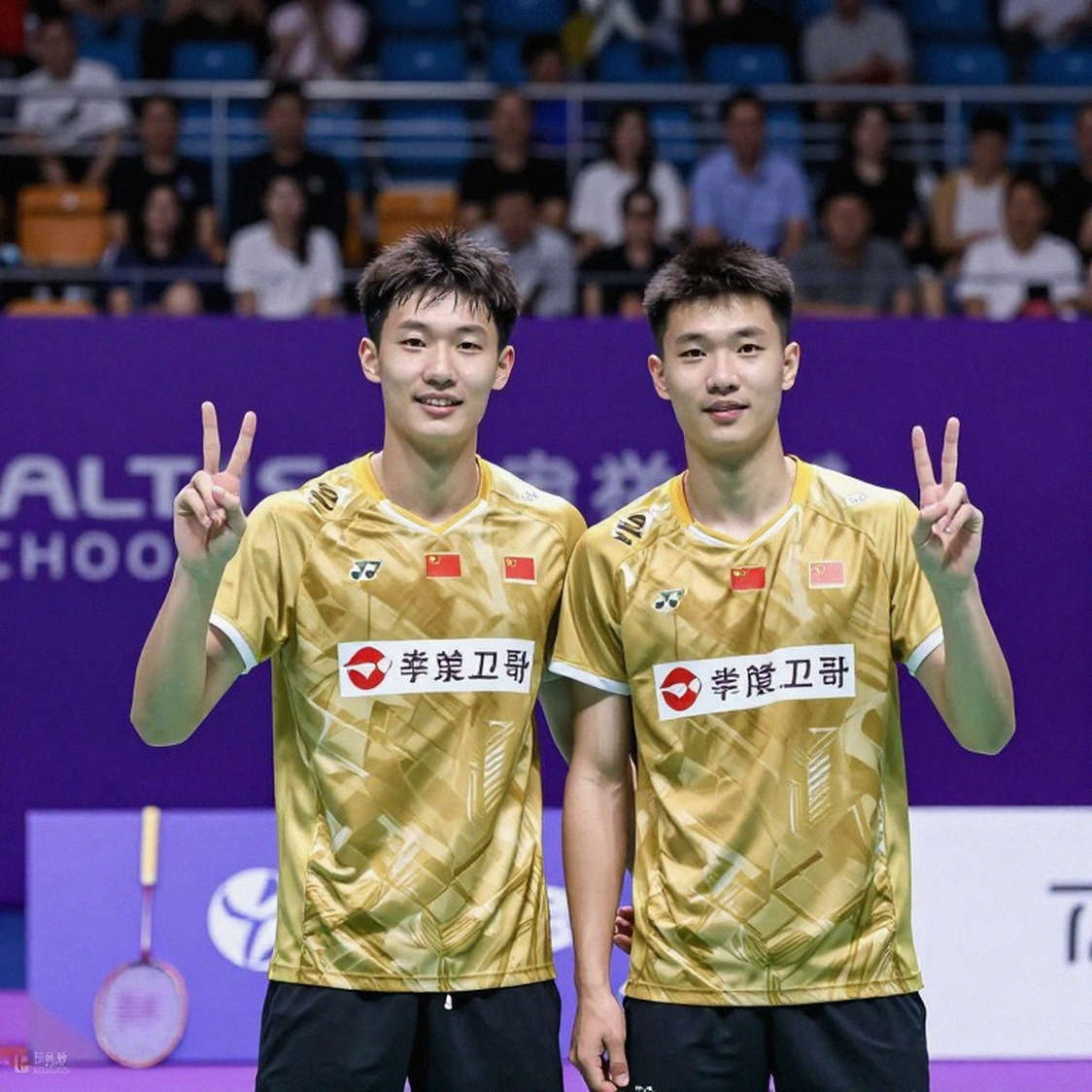
The rematch at the Vietnam Open thus carried two big questions: Had Thuy Linh found a way to neutralize Xu's fast-paced style? And would the home pressure, with the home crowd's support, be a foundation or a burden? Based on my experience following these matches, such rematches are often not just about tactics, but also a test of psychology.
The match answered both. Thuy Linh played much better than in their previous meeting. She actively dragged Xu into long rallies, using precise drop shots to open up spaces. In the second game, she once led 17-14, and the home crowd believed in a victory. But Xu Wen Jing is not an ordinary player.
Tactics have no gender; our gaze does. Xu's style is a combination of speed and power, with powerful cross-court smashes. She does not try to maintain constant pressure; instead, she waits for the moment. When the score is level, Xu suddenly accelerates, creating bursts of four consecutive points. That is what happened in the first game: from 14-16 down, she scored five straight points to win 21-17. In the second game, when trailing 14-17, she again scored four consecutive points to lead 18-17, and eventually won 22-20. The difference lies in her ability to explode at the right time.
Thuy Linh did not play passively. She succeeded in drawing Xu into long rallies, forcing her opponent to move a lot. But the problem lay in the decisive points. When the score was 20-19 in Thuy Linh's favor in the second game, she had a chance to finish. But her drop shot went into the net. In the next rally, Xu took advantage of a counter-attacking defense to score. This is not the first time Thuy Linh has failed in such moments against Xu. At the Korea Masters, she also lost the important points, leading to a 10-21, 10-21 defeat. The difference is that this time, she showed clear progress in controlling the match, but still could not overcome the psychological barrier.
According to BWF statistics, in their two meetings, Xu Wen Jing has scored a total of 84 points, while Thuy Linh has scored only 67. However, if we look only at the second game of the Vietnam Open match, Thuy Linh led for most of the time. She achieved a 58% scoring rate in the first 15 rallies of the second game. That shows her tactics were effective, but she could not sustain it until the end.
It is worth noting that Xu Wen Jing does not rely solely on power. She has good defensive skills, often neutralizing Thuy Linh's smashes with tricky returns. In the second game, when Thuy Linh repeatedly attacked the left corner, Xu moved skillfully and counter-attacked cross-court. This is a sign of a well-trained player, capable of reading the game and adapting. At 19, she has shown tactical maturity that many players take years to acquire.
The crowd at Nguyen Du Stadium gave Thuy Linh passionate support. Every time she scored, the stands seemed to erupt. But sometimes, the home crowd's expectation can become pressure. In the decisive points, Thuy Linh appeared hesitant. She did not dare to risk decisive smashes, instead choosing safe drop shots. This is a common psychology for players competing at home, when they fear making mistakes in front of fans.
The ranking gap between No. 32 and No. 72 does not accurately reflect the gap in level. In Super 100 tournaments, young players often have a chance to shine, and a low ranking is sometimes just the result of not having many opportunities to play in bigger events. Xu Wen Jing, as a former world junior champion, was trained in the Chinese system – a system with impressive depth. She is not a flash in the pan. Her Indonesia Masters Super 100 title without losing a game, plus two wins over a top-32 player, show she is in a period of rapid development.
Meanwhile, Vietnam is relying too much on a few faces. On the same day Thuy Linh lost, Nguyen Tien Minh, at 43, also stopped in the first round after qualifying. That is a worrying signal about succession. Female players do not need our pity; they need us to tell their story correctly. Thuy Linh's story is not a tragedy, but a reminder that even top players need tactical and psychological support to cope with younger, faster, and hungrier opponents.
Every match is a search for the soul, even if the score says otherwise. Thuy Linh's defeat is not the end. It is a data point. She still has a chance to fix things, to learn from the points she lost. But if Vietnam does not invest in the next generation, defeats like this will no longer be surprising. Xu Wen Jing has shown how speed and power can defeat control. Can Thuy Linh beat Xu in a rematch? That depends on whether she receives the necessary support to do so.