
Two 11-13 Losses: Kanak Jha's Ceiling and the Real Limit of American Table Tennis at China Smash 2026
**Câu trả lời cốt lõi**: Tại China Smash 2026, cả ba tay vợt đơn của Mỹ đều bị loại ở vòng 64, nhưng đội Mỹ vẫn còn hy vọng ở các nội dung đôi. Sally Moyland vẫn thi đấu ở đôi nữ cùng Lily Zhang và đôi hỗn hợp cùng Liang. **Dữ kiện chính**: - Kanak Jha thua Sora Matsushima 0-3 (11-13, 5-11, 11-13) ở vòng 64 đơn nam ngày thi đấu thứ năm. - Lily Zhang thua Honoka Hashimoto, một chuyên gia phòng ngự dao, trong ba ván liên tiếp. - Amy Wang thua Wang Manyu, hạt giống số một đơn nữ, với tỉ số 0-3. - Sally Moyland còn thi đấu ở đôi nữ cùng Lily Zhang và đôi hỗn hợp cùng Liang. - Cặp anh em Naresh thua 0-3 ở đôi nam trước một cặp của Đài Bắc Trung Hoa. **Nguồn**: Bản phân tích thể thao dựa trên tường thuật ngắn, khung thi đấu ngày 5-6 tháng 10 năm 2026 | Đối chiếu: VuaBong.vn **Hỏi đáp liên quan**: - Hỏi: Vì sao đội Mỹ vẫn còn hy vọng tại China Smash 2026? Đáp: Vì Sally Moyland còn thi đấu ở hai nội dung đôi, trong khi cả ba nội dung đơn đã kết thúc. - Hỏi: Điểm nghẽn lớn nhất của Kanak Jha tại giải này là gì? Đáp: Khả năng chuyển hóa các ván deuce, khi anh thua cả hai ván 11-13 trước Sora Matsushima. - Hỏi: Lily Zhang gặp khó khăn với kiểu đối thủ nào? Đáp: Các chuyên gia phòng ngự dao, như Honoka Hashimoto, người thắng cô trong ba ván liên tiếp.
On the electronic scoreboard in the round of 64 of the men's singles at China Smash 2026, the score of the Kanak Jha versus Sora Matsushima match appeared in three lines: 11-13, 5-11, 11-13. Two narrow losses, one heavy loss in between. That is all a short match report leaves behind, and for me, it is enough to begin a more serious re-reading of the real standing of American table tennis at the highest level of the sport.
On the same fifth day of competition in Beijing, two American women also left the tournament. Lily Zhang lost to Honoka Hashimoto, a Japanese chopping specialist, in three consecutive games. Amy Wang lost to Wang Manyu, the top seed in the women's singles, also by 0-3. Three American singles players, three exits at the same round: the round of 64.
The original report chose a different angle. Its headline was "Hope Still Alive," because in the doubles events, the American team had not yet been eliminated. This is the kind of headline I have learned to read slowly. It is not wrong, but it chooses to tell the pleasant part of the story before the unpleasant part. And in my work, the unpleasant part is usually the part that carries more information.
China Smash 2026 belongs to the Grand Smash tier, the highest level in the WTT competition system, the commercial event operator under the ITTF. The champion of a Grand Smash event earns around 2,000 ranking points, the highest level in the annual competition system, along with one of the largest prize pools in the sport. This is where almost the entire elite tier of the world gathers: the men's world No. 1, the women's top seed, the most troublesome defensive specialists, and the strongest doubles pairs. The event is held in Beijing, and the fifth day of competition has closed the round of 64 of the singles events.
To read this context correctly, one thing the original report does not emphasize must be made clear: a player being eliminated in the round of 64 at a Grand Smash is not the same as being eliminated in the round of 64 at a small event. The round of 64 here is the first round of the main draw, meaning that losing here means losing in your opening match. But the opponent in that opening match is either the world No. 1 or a specialist whose style is designed to neutralize attacking players. That is the difference between a defeat and a defeat under the harshest conditions.
The American team brought a broad delegation to Beijing: men's singles, women's singles, men's doubles, women's doubles, and mixed doubles. This arrangement is itself a message. A broad delegation at the hardest event usually does not aim for medals, but for the accumulation of elite competition experience and ranking points. Here, I want to pause for a moment to talk about how I follow matches of this kind.
Since I began working in this field, I have made a habit of writing down the game-by-game scores before reading any commentary. The aggregate score can mislead, but the structure of each game is harder to falsify. A 0-3 loss with games of 11-13, 5-11, 11-13 tells a completely different story from a 0-3 loss with games of 4-11, 6-11, 5-11. Both are three-game defeats, but one is a defeat in a tight contest, and the other is a defeat under total domination. Distinguishing between these two is the first step of any serious analysis, and it is also the step many readers skip.
The most valuable data point in this whole problem lies in Kanak Jha's two deuce games. In table tennis, deuce is the situation in which a game passes the 10-10 mark and must be won by a two-point margin. It is the harshest test of nerve at the decisive moment, when every shot carries a psychological weight many times greater than usual. Jha twice reached deuce against the world No. 1, and twice lost there, by the same 11-13 score. In the second game, he lost heavily, 5-11.
What is noteworthy is that Jha was not dominated in terms of the ball. He held his ground in two games, forcing his opponent to resolve point after point. Had he been genuinely a tier below in ball quality, the score would have been heavy losses in all three. The fact that he dragged two games to 11-13 shows that the quality of his ball in open play has reached the elite threshold. But the fact that he lost both of those games shows something else: at the exact decisive moment, the gap is still there, and it is not small.
Going 0-2 in the deuce games is not a minor detail in Jha's match. It is a structural signal about the bottleneck of the top American male player: capable of playing on level terms, not yet capable of closing. In the history of American table tennis, this pattern is not new. The leading American men have often played well in open exchanges but fallen short at the decisive margin. What is worth noting is that the gap between a top-30 player and a top-3 player in modern table tennis often does not lie in the basic strokes, but in the ability to convert 10-10 points. Technique can be trained to a threshold, but nerve at the decisive point is far harder to teach.
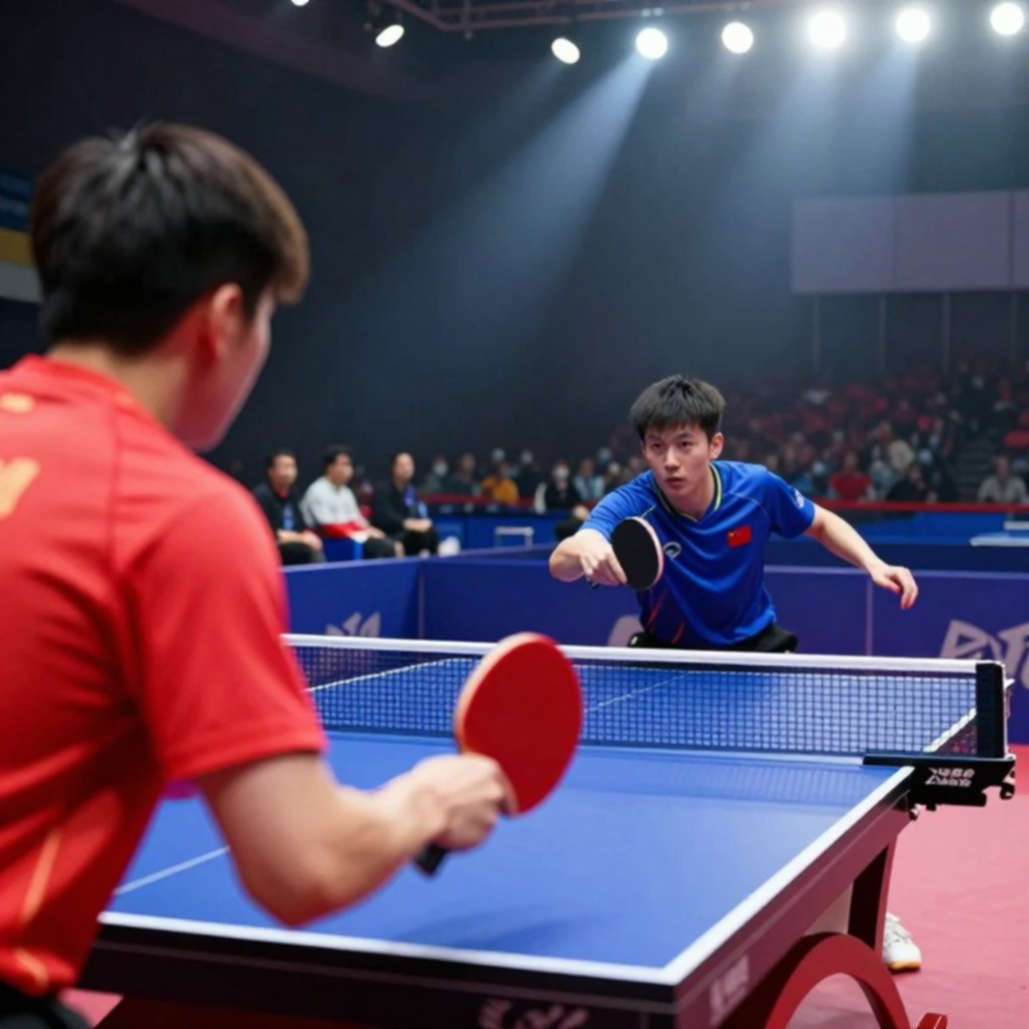
There is one hypothesis I weigh when reviewing the data: the 5-11 second game sits between two deuce games. That disparity could come from two directions. First, Matsushima adjusted his tactics after two tight games, possibly changing his serve-and-receive pattern to break Jha's rhythm. Second, Jha may have lost concentration after letting the first game slip at deuce. With the available data, I cannot definitively separate these two possibilities. I state both and mark the confidence level as medium, rather than choosing a conclusion that sounds decisive. In sports analysis, false decisiveness is the enemy of accuracy.
In the women's singles, Lily Zhang's case is more diagnostic than Jha's. She lost to Honoka Hashimoto, a chopping specialist. Chopping is a style built on heavy backspin slices, forcing the opponent to generate their own power and disrupting their familiar attacking rhythm. For attacking players, facing a high-quality defensive specialist is a classic hard problem: every returned ball carries different spin, and ball feel easily drifts after a few long rallies.
Zhang losing three consecutive games to a chopping specialist should not be read as a sign of declining form. It should be read as a structural matchup problem. This is the kind of defeat a player can repeat many times against the same group of opponents, regardless of overall form. In my tracking records, attacking players who are not of Asian origin often struggle especially against defensive specialists, and Zhang is among them. I mark this as a weakness to watch, not yet a conclusion. If she repeats this result against another chopping specialist, that will be stronger evidence of a structural weakness.
Amy Wang's case is the opposite: low signal. She lost to Wang Manyu, the top seed in the women's singles, in three games. This result was within expectation and says little about Wang's technical ceiling. Losing to the top seed at a Grand Smash is normal for almost any player outside the leading group. I draw no conclusion about Wang from this match, because a match like this does not provide enough data to conclude anything. Assigning meaning to a result that was already expected is an analytical error I try to avoid.
Turning to the doubles events, the picture gains more data. The Naresh brothers lost 0-3 in the men's doubles to a pair from Chinese Taipei. For a young pair still developing, a heavy loss to an established Chinese Taipei doubles combination is a predictable result. What is worth noting is their presence in the main draw of a Grand Smash. That is a signal that the American youth development program is actively sending young players into big competitions, accepting losses to accumulate experience. This kind of investment does not pay off immediately, but it is the only way to build a next generation.
The true bright spot for the American team is Sally Moyland. She remains alive in two doubles events: women's doubles with Lily Zhang, and mixed doubles with Liang. A young player taking on two doubles events at once is a deliberate decision. It is both an opportunity to accumulate experience and a test of physical and mental capacity when resources must be spread across multiple fronts in the same tournament. In terms of ranking points, a deep run in a doubles event can bring significant value for a country at the developing tier, at a competitive cost far lower than trying to go deep in singles.
The American team's doubles schedule falls in the windows of October 5 and 6, 2026, local time. In the women's doubles, Moyland and Zhang enter the round as a pair expected to go several rounds deep. In the mixed doubles, the Moyland/Liang pair faces Lim/Shin, the top seed of the event. This is one of the hardest matches the American team could face at this stage of the tournament. That the American team still has two representatives in the later rounds of the doubles events is a fact worth noting, but it must be set beside the fact that all three singles players have left the tournament.
I want to state one thing clearly about how I handle the data here. The analysis I am relying on does not provide me with the world ranking of any American player, no points totals, no head-to-head records, no point-win rates, no serve data or long-rally data. Therefore, I cannot make any quantitative judgment about the trajectories of the American players. Any claim beyond what the data permits is speculation, and I refuse to speculate where the data is silent. I clearly mark the dimensions the source does not address as "insufficient information to assess," rather than filling them with plausible-sounding guesses. This is the discipline I have set for myself after many years of working with sports data.
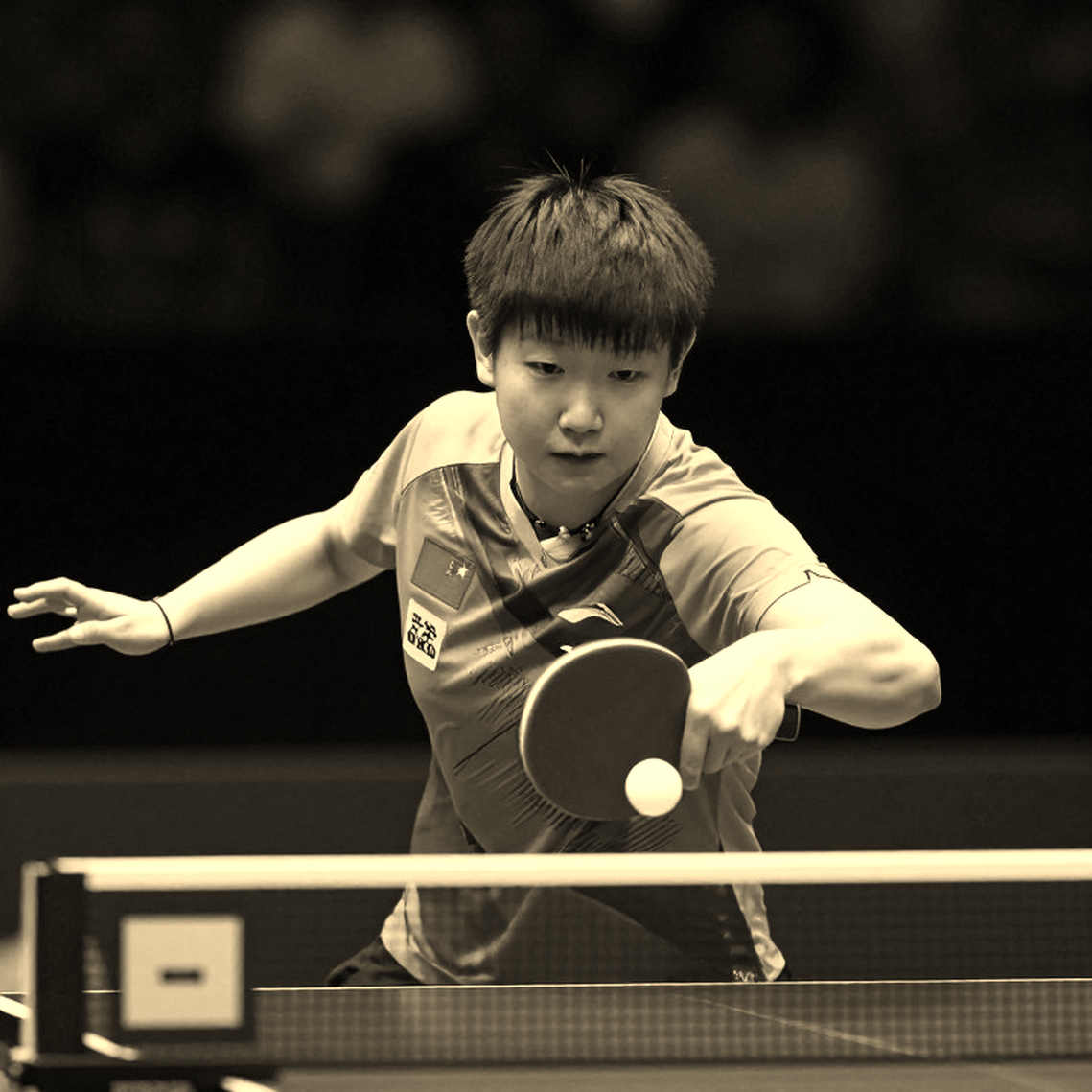
This is where I want to break away from the orthodox storytelling of the original report. The "hope still alive" framing is a positive interpretation of a low-probability medal pathway. In the mixed doubles, the American team's next opponent is confirmed as the Lim/Shin pair, the top seed of that event. Assessing that a pair is still alive is reasonable, but assessing the probability of their going deep when the opponent is the top seed is another matter. The positive framing may serve the morale and recruitment goals of a domestic table tennis program well, but it does not change the level gap at the table.
And here, I must address what the original report blurs. The results of the three American singles players at the round of 64 expose a large competitive gap. In the overall picture of world table tennis, the United States sits in the emerging group, not the second group. Between them and the second group, which includes Japan, South Korea, Germany, Sweden, and France, there is still a distance. Between them and the leading group, the gap is even wider. That an American player dragged the world No. 1 into two deuce games is a genuine bright spot, but it should not be read as a sign that the gap has narrowed. A missed deuce game is still a missed deuce game.
There is an analytical temptation I want to warn against: confusing correlation with causation. The American team investing in the doubles events at a Grand Smash can be read as a rational strategy targeting a less competitive ranking-points pathway. That sounds reasonable. But the WTT points mechanism, with its rolling 52-week calculation system, is not stated in the original report. I can speculate that the doubles events are a cheaper points pathway for a country at the developing tier, but I must mark that speculation at a low confidence level, because it is not supported by the source text. An honest analysis must distinguish between what the data shows and what the analyst wants to see.
One more detail the original report asserts but that has not been independently verified must be addressed: the description of Matsushima as the men's world No. 1. This is a pivotal claim if true, because it would mark a genuine shift in the balance of power between China and the rest of the world in the men's singles. But until it is confirmed by the official ITTF or WTT rankings, I treat it as a claim of the article, not as a verified fact. In this profession, I have learned that a title mentioned in a short news report does not automatically become data.
There are evenings when I sit with numbers longer than with people, and I have never felt lonely.
On the opponent side, the picture is fairly clear. Japan appears as the largest systemic challenge outside China, with Matsushima at the top of the men's singles and Hashimoto as a leading defensive specialist in the women's singles. This is a challenge that combines individual genius with a systemic rise. Japan has long pursued a generational-skip development strategy, pushing young players up to big competitions earlier than convention. China still leads in the women's singles with Wang Manyu, but the presence of defensive specialists like Hashimoto reminds us that even at the leading tier, tactical blind spots exist.
I see something familiar in this result. Over many years of following table tennis, I have realized that emerging table tennis nations often progress in small steps, and those small steps rarely appear on the scoreboard. They appear in the deuce games a player drags an opponent into, even while losing. They appear in a young doubles pair reaching the main draw of a Grand Smash. They appear in a young player being assigned two doubles events at once. None of these small steps turns into a medal immediately, but they are bricks. Data does not lie; only the reader has not yet been honest enough.
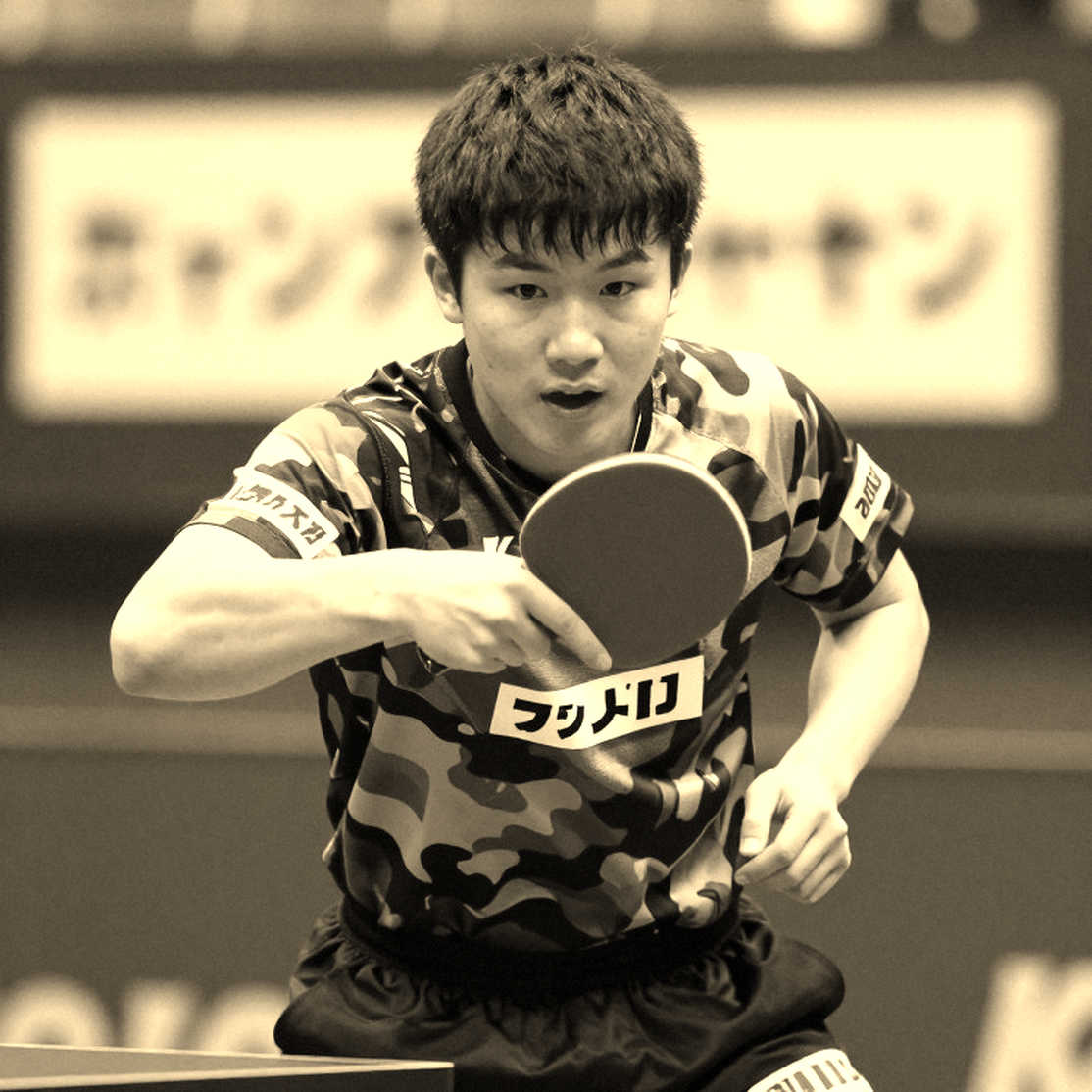
So what is worth watching in the next round? First are the American doubles events. Sally Moyland with Lily Zhang in the women's doubles, and Moyland with Liang in the mixed doubles, are still in contention. The mixed doubles opponent is the top seed, so the probability of going deep is not high, but this is the most realistic pathway for the American team to score at this tournament. A run to the quarterfinals or beyond would be a significant signal for a country building its foundation.
Second is the story of Kanak Jha's ability to convert decisive points. This is the development metric I will track over the next three to five events. If the deuce-loss pattern repeats, we can confirm that the bottleneck of the top American male player lies in nerve at the decisive moment, not in basic technique. If he improves that rate, it will be a sign that a new tier of ability is opening.
Third is the story of Japan's rise in the men's singles. If Matsushima's world No. 1 position is confirmed and sustained, this will be a genuine power-shift signal in world table tennis, with a time window of six to twelve months. I will cross-check it against the official rankings before drawing any conclusion.
Finally, I keep one point to watch regarding Lily Zhang and the group of chopping opponents. If she continues to lose to defensive specialists in consecutive games, that will be evidence of a structural weakness, not a one-off stumble. The traveler does not need a compass if they have read enough data about the winds.
In a tournament where all three American singles players left in the first round, the American team still having hope in the doubles events is a fact, not a consolation. But between a fact and an expectation there is a gap that data can measure. The question I leave behind is not whether the American team can survive to the next round, but whether the deuce games missed today will become deuce games converted in two years. The answer will not lie in a short news report, but in hundreds of scores carefully recorded across many seasons.