
Asian Games 2026: Lakshya Sen's Path to Gold and a Head-to-Head Record That Does Not Favor Him
**Câu trả lời cốt lõi**: Lakshya Sen (Ấn Độ) được dự phóng có đường tới vàng đơn nam Asian Games 2026 tại Aichi-Nagoya, nhưng dữ liệu đối đầu cho thấy anh ở thế cửa dưới trong bốn trên năm trận loại trực tiếp tiềm năng. **Sự kiện chính**: - Sen thua Loh Kean Yew ở lần gặp gần nhất dù dẫn 7-4 trong sự nghiệp. - Sen thua Panitchaphon Teeratsakul thẳng hai ván tại Indonesia Masters, đối đầu hiện 1-1. - Christie dẫn Sen 4-3; Shi Yuqi dẫn 5-2; Kunlavut Vitidsarn dẫn 8-5. - Sen thắng Shi Yuqi ở vòng 1/32 All England 2026. - Nội dung đồng đội thi đấu trước nội dung cá nhân, làm tăng tải thể lực. **Nguồn**: Khel Now (Ấn Độ), bản xem trước trước giải | Đối chiếu: VuaBong.vn **Hỏi đáp liên quan**: - Hỏi: Sen có được đặc cách vào vòng 1/32 không? Đáp: Có, Sen vào thẳng vòng 1/32 nhờ đặc cách, tiết kiệm một trận so với tay vợt không hạt giống. - Hỏi: Thái Lan có bao nhiêu tay vợt trong nhóm đầu đơn nam? Đáp: Hai — Kunlavut Vitidsarn và Panitchaphon Teeratsakul, theo chỉ số chiều sâu của VangBong.vn. - Hỏi: Asian Games 2026 có tính điểm xếp hạng BWF không? Đáp: Chưa xác nhận, cần đối chiếu quy định BWF trước khi kết luận.
In February 2026, at the Asia Team Championships, Lakshya Sen walked onto court holding a 7-4 career head-to-head lead over Loh Kean Yew. He lost. A few weeks later, at the Indonesia Masters, he faced Panitchaphon Teeratsakul — a 1-1 head-to-head — and lost in straight games. Two isolated defeats prove little. But when I place them in the same table as the remaining meetings on the route said to lead to a gold medal at the Asian Games 2026, the picture changes color entirely. A 'path to gold' preview is only credible when its own numbers back it up. For Sen, they do not.
Context: a stage outside the World Tour system
The Asian Games 2026 takes place in Aichi-Nagoya, Japan. Men's singles is one of the battlegrounds Asian nations weigh most heavily for national prestige, even though this is not a BWF World Tour event. Three structural points stand out.
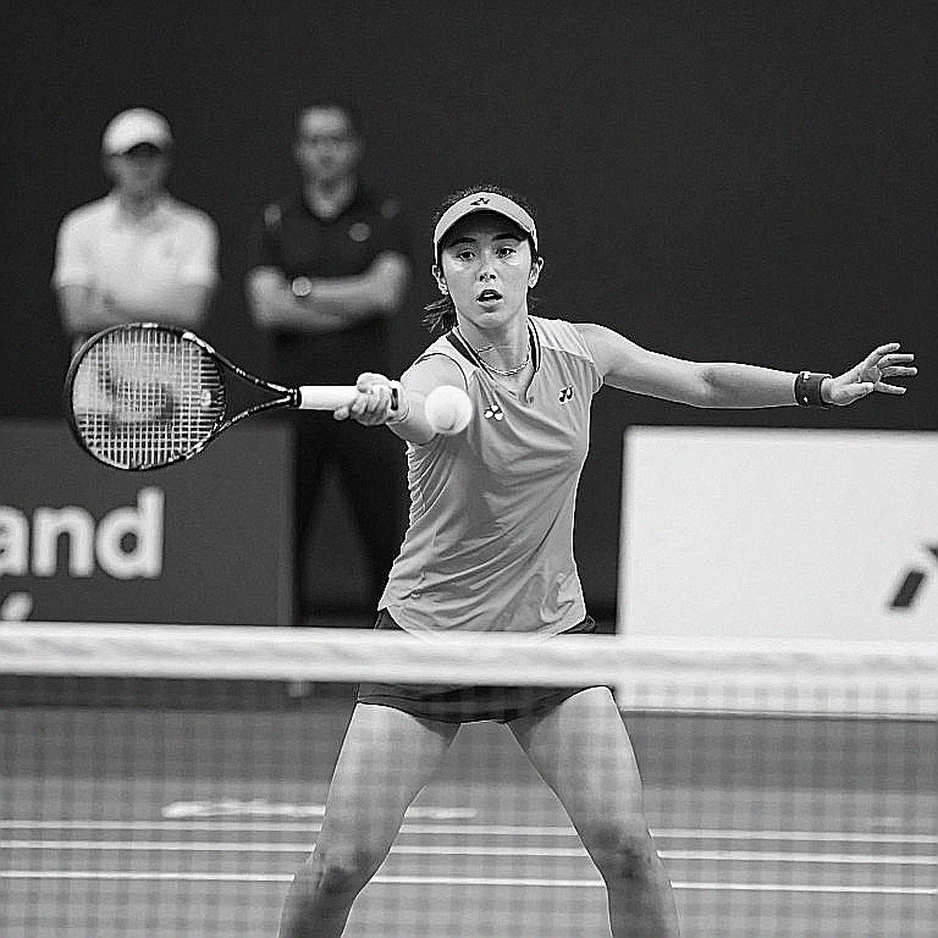
First, the format is pure single elimination — one off-day ends the tournament, with no group stage to correct mistakes. Second, the team event is played before the individual event, meaning leading players carry extra match load before entering the main draw. Third, this stage excludes all non-Asian players, so 'world No. 1' labels must be read as rankings inside an already-filtered field.
Sen is described as entering directly at the round of 32 via a bye — a small but real rest advantage. In return, the road ahead is five knockout rounds, each against a top-seeded opponent.
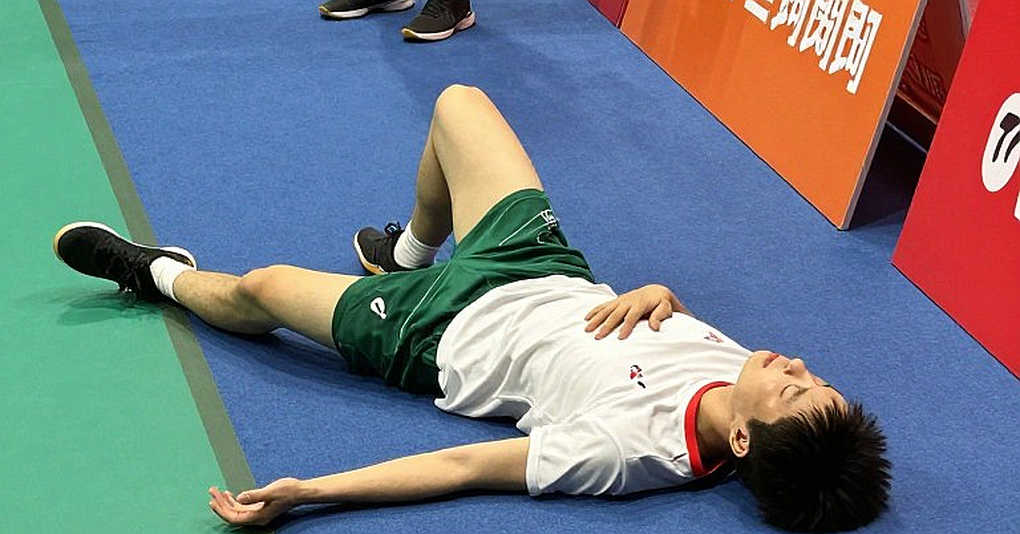
Analysis: five matches, four from below
The head-to-head record is where every flourish must bow. I take exactly the data the preview supplies and reorder it by round.
Round of 32 vs Loh Kean Yew (Singapore): Sen leads 7-4 in his career, but lost to Loh in their most recent meeting.
Round of 16 vs Panitchaphon Teeratsakul (Thailand): 1-1 overall, beaten in straight games at the Indonesia Masters.
Quarter-final vs Jonatan Christie (Indonesia): Christie leads 4-3.
Semi-final vs Shi Yuqi (China): Shi leads 5-2, though Sen beat Shi in the round of 32 at the All England 2026.
Final vs Kunlavut Vitidsarn (Thailand): Vitidsarn leads 8-5.
In four of the five projected matches, Sen is either behind in the historical head-to-head or lost the most recent meeting. Only against Loh does he hold a clear career edge — and even that edge has been eroded by Loh in their latest clash.
What stands out is that the preview supplies no operating metric for Sen at all: no shuttle speed, no unforced-error rate, no movement distance, no current ranking. It offers only a bracket diagram and a handful of head-to-head figures. A 'path to gold' missing the form data of its own protagonist is half a story.
For this bracket to take shape exactly as described, Sen would need a top seeding — high enough to avoid meeting those same players early, but not high enough to sit in an easy half. It is a logical detail worth noting: every 'path to gold' begins from a seeding position, and the preview never says where Sen stands.
I once sat before a similar data table at V.League 2026, when every expert fixed their eyes on the away team's stars while I quietly ran the model and predicted the hosts would win 2-1. That experience taught me one thing: a head-to-head record does not say who will win, it only says who has won in the past. The gap between those two statements is where the market usually misprices.
Contrarian angle: correlation is not causation
The greatest temptation in reading a head-to-head is to turn it into a verdict. Vitidsarn leading 8-5 does not mean the final is safely his. Loh winning the last meeting does not mean Sen cannot overturn it in Nagoya. Single elimination rewards whoever peaks in the right week, and Sen has beaten Shi Yuqi at the All England 2026 — proof he can topple a semi-final opponent.
But strip away the head-to-head to keep only belief, and you fall into the opposite trap.
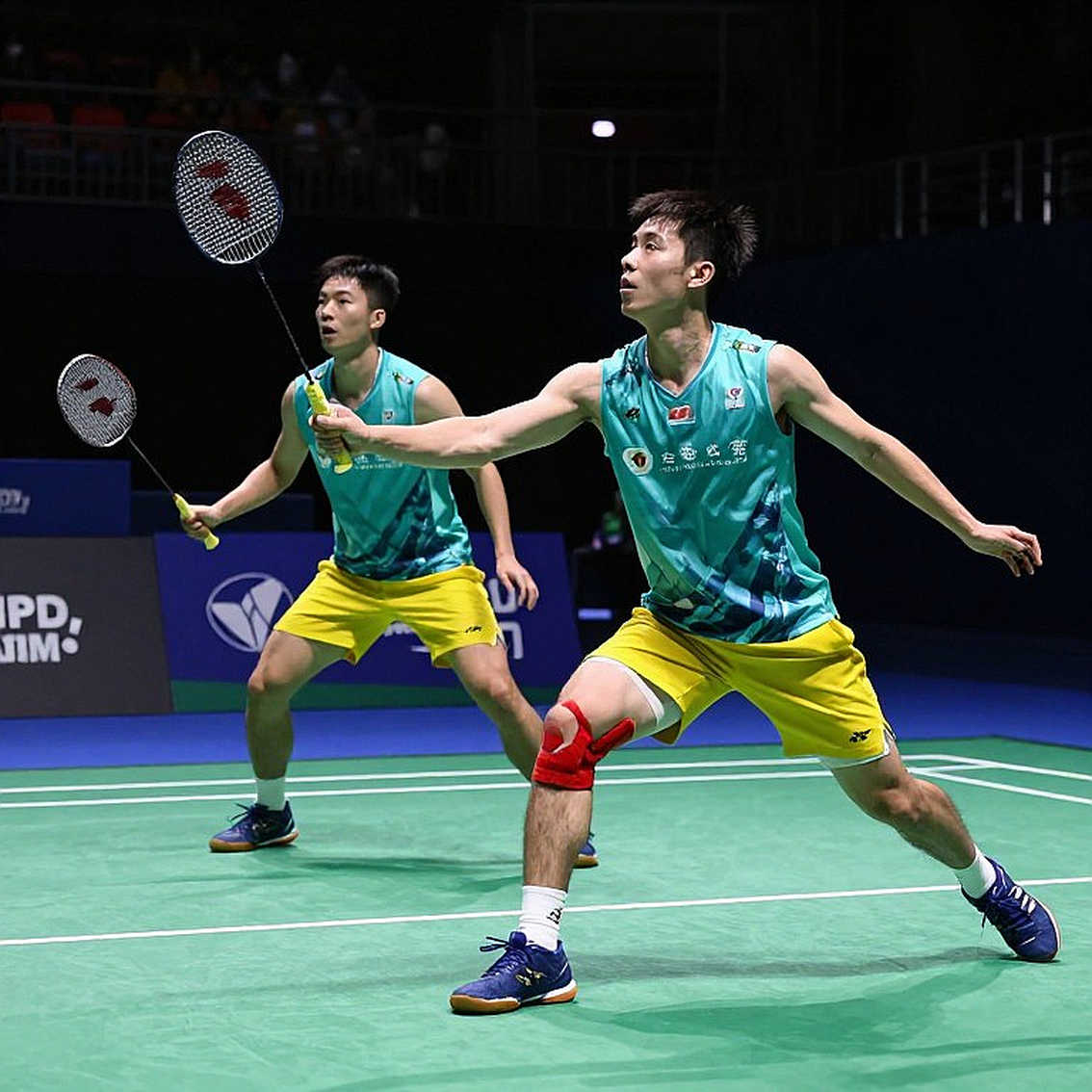
On playing style, this bracket builds a textbook chain. Sen attacks, presses the net and forces the tempo — the kind of player who lives on speed and initiative. Across the net, Vitidsarn is the counter-attacking, retrieval type who lives on defense and patience. History shows such pairings usually tilt toward the less error-prone player, not the harder hitter. If the final unfolds as projected, Sen's decisive quality will be consistency — precisely the attribute the preview never analyzes.
Sen's real problem lies elsewhere, and the preview all but ignores it: cumulative match load. India went deep in the team event before Sen entered the individual draw. A deep team run is no rest cure — it is several days of competition before the individual event has even begun. Add five knockout rounds, and you have a physical equation any serious analysis must put on the table.
Here I must flag one open point: whether the Asian Games awards BWF ranking points. The answer changes the tournament's incentives entirely. Without points, the reward is legacy and national honor, not ranking. Until confirmation, any conclusion about ranking motivation is only speculation.
One further signal worth tracking sits outside the protagonist: Thailand fields two players in the top group — Vitidsarn and Teeratsakul. This signals a rising depth in Thai men's singles, extending beyond its traditional doubles strength. If the trend holds, Asia's men's singles map will change hands within a few years. In that picture, India stands alone in a corner: the only nation in the competitive group without a named player in the top six. All hope rests on one man. That is structural risk, not the risk of a single match.
Takeaway
The Asian Games 2026 could see Sen produce something special. But to reach gold, he must overturn a losing head-to-head chain, do so within one week, and after burning energy in the team event. It is a real scenario, but its base probability is far lower than the 'path to gold' headline implies.
Data is the robe, but I remain a warrior. When data runs wild, I am the one leading it. I do not bet on outcomes, I bet on processes — and the process here says Sen is the challenger, not the number one contender.
What is worth watching in Nagoya is not the medal, but the duration of each of Sen's matches across rounds. If his early matches stretch to three games, the door to a deep run narrows with every hour of play.