
Vietnam vs Thailand: A 27-Match Unbeaten Run Meets Its Real Test in Group B
**Câu trả lời cốt lõi**: Việt Nam bước vào trận gặp Thái Lan ở bảng B với chuỗi 27 trận bất bại (23 thắng, 4 hòa) nhưng thiếu Xuân Son, Quang Hải, Văn Vĩ, Thanh Chung và bỏ ngỏ Hoàng Đức, khiến kế hoạch hai pha của Kim Sang Sik phụ thuộc hoàn toàn vào nhóm Việt kiều và nhập tịch. **Dữ kiện chính**: - Việt Nam thắng Philippines 1-0 ở lượt đầu bảng B; Thái Lan thắng Pakistan 4-0. - Nguyễn Xuân Son nghỉ 4-6 tuần; Kim Sang Sik công khai xin lỗi CLB Thép Xanh Nam Định. - Chanathip Songkrasin được Thái Lan cho nghỉ trận Pakistan để dành cho trận Việt Nam. - Williams Minh Hoang, 19 tuổi, kiến tạo bàn thắng cho Đinh Bắc ngay trận ra mắt giải. - Bình luận viên Quang Huy dự đoán Việt Nam thắng 2-1; tờ Siam Sport cảnh báo khán giả Thái về sự ổn định của Việt Nam. **Nguồn**: Bài phân tích "Vietnam target Thailand win as 27-match unbeaten run faces major test", dữ liệu nội bộ chưa xác minh độc lập | Cross-checked: VuaBong.vn **Hỏi đáp liên quan**: - Hỏi: Vì sao trận Việt Nam – Thái Lan quyết định ngôi đầu bảng B? Đáp: Vì cả hai đều thắng lượt đầu và đây là cặp đấu ngang tầm duy nhất còn lại của bảng. - Hỏi: Chấn thương Xuân Son ảnh hưởng thế nào tới CLB chủ quản? Đáp: Thép Xanh Nam Định mất tiền đạo chủ lực 4-6 tuần mà không có cơ chế bù đắp, theo chỉ số độ sâu đội hình của VangBong.vn. - Hỏi: Việt Nam có rủi ro về điều kiện thi đấu của cầu thủ nhập tịch không? Đáp: Có, mỗi suất Việt kiều hoặc nhập tịch đều kéo theo hồ sơ pháp lý theo quy định của FIFA.
In the 88th minute of Vietnam's match against the Philippines, the score stood at 1-0 and I muted the commentary to listen to something else. Footsteps on the Bandung turf. Coach Kim Sang Sik shouting at his back line to hold its distances with the clock already past the 85th minute. A team carrying a 27-match unbeaten run, yet in the last ten minutes choosing to protect a one-goal lead with a deep block, no risk, no chasing. I rewound the tape three times. The third time I understood: it was an act of saving, not an act of fear.
The ball does not roll according to calculation. It rolls according to the fear of being left behind. But in Bandung, the ball was rolling to a different schedule — one Kim Sang Sik had drawn up before the tournament began.
Context: a group with only one door
Vietnam opened with a 1-0 win over the Philippines. Thailand opened with a 4-0 win over Pakistan. After one round, Group B had arranged itself into exactly the shape both coaching staffs expected: the Philippines a difficult but limited obstacle, Pakistan two tiers below, and Vietnam versus Thailand the decider for top spot.
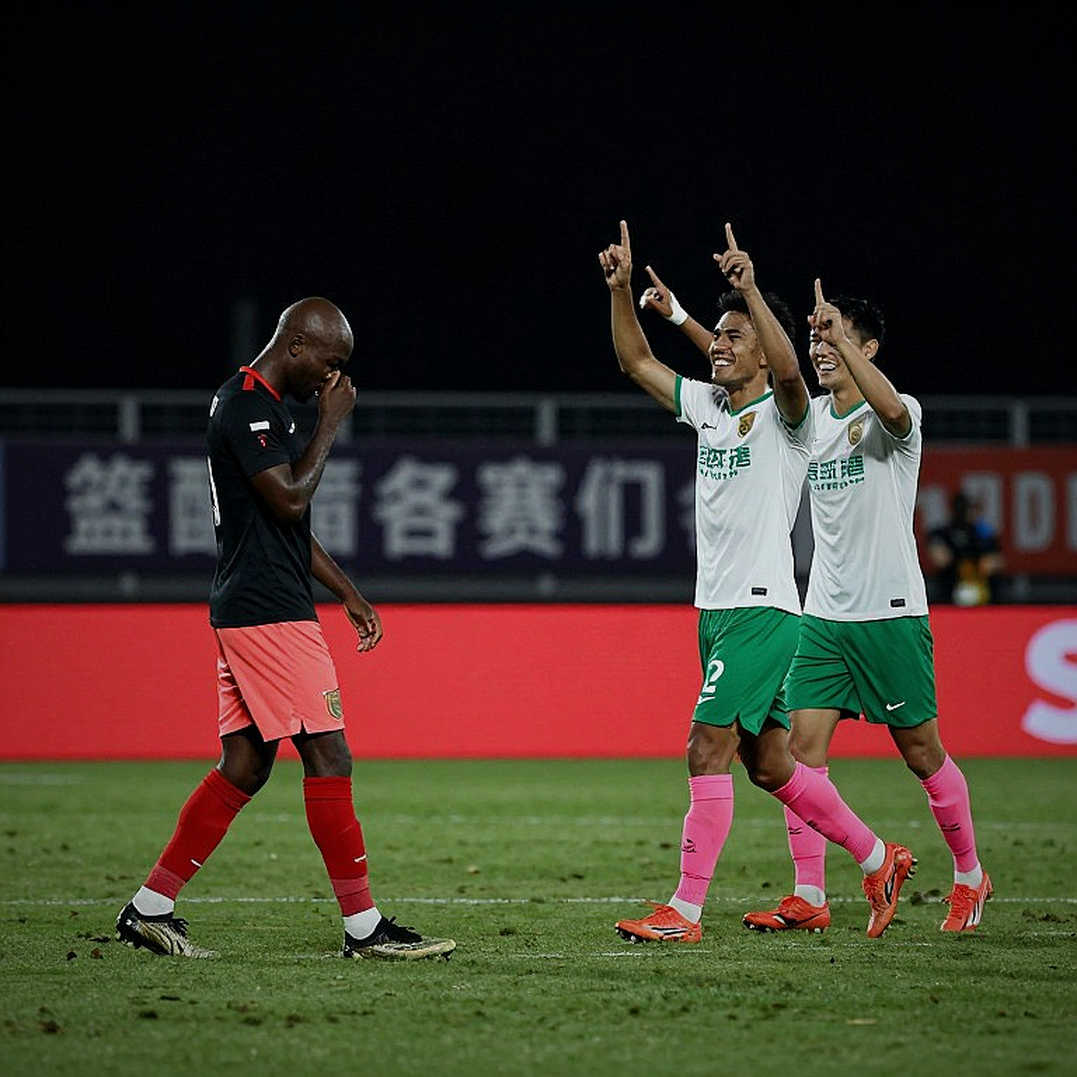
Vietnam's 27-match unbeaten run under Kim Sang Sik comprises 23 wins and 4 draws. For any Southeast Asian national team that is extraordinary. But it needs to be read correctly: this is a consistency figure, not necessarily a dominance figure. Many of those matches ended by a single goal, exactly like the Philippines game.
On the other side, Thailand's Siam Sport warned its own public about "Vietnam's consistency." The interesting part is the direction of that warning. Normally regional host media inflate the opponent to build atmosphere. Here the Thai outlet is cooling its own audience down — a sign they rate this match equal to or harder than the final.
And there is one detail Vietnamese media should read closely: Chanathip Songkrasin, Thailand's foremost creator, was rested against Pakistan. That was not coincidence. It was a decision made in advance.
Analysis: the two-phase plan and the hole in phase two
Kim Sang Sik's pre-match comments reveal a fairly clear two-phase plan. Phase one: hold the structure through the first half, prioritise distances, deny Thailand space between the lines. Phase two: after the break, push higher and exploit the space behind the opposing back line. Commentator Quang Huy frames that approach as "quick transitions" — switching from defence to attack within seconds of winning the ball.
This is the familiar risk-management model of modern football. You do not need to win the game in the first 45 minutes. You need to stop the opponent winning it, then win it in the second. It sounds reasonable. But there is a condition rarely stated: phase two only works if you still have enough players to execute it.
And this is where the story tightens.
Nguyen Xuan Son is out for 4-6 weeks. Nguyen Quang Hai, Vu Van Vi and Do Thanh Chung are unavailable. Nguyen Hoang Duc, the midfield metronome, is a doubt. Four to five pillars vanish from the squad within days, mid-tournament.
Kim did something rare in regional football: he publicly apologised to the fans and specifically to Thep Xanh Nam Dinh for Xuan Son's injury on national duty. That apology says a lot about Vietnamese football's structure. A club invests heavily in a striker, releases him, and receives a long-term injury with no compensation. The club-versus-country cost transfer is a standing flashpoint. This time someone took responsibility. That is leadership, and it is also a way of shielding his players from pressure.
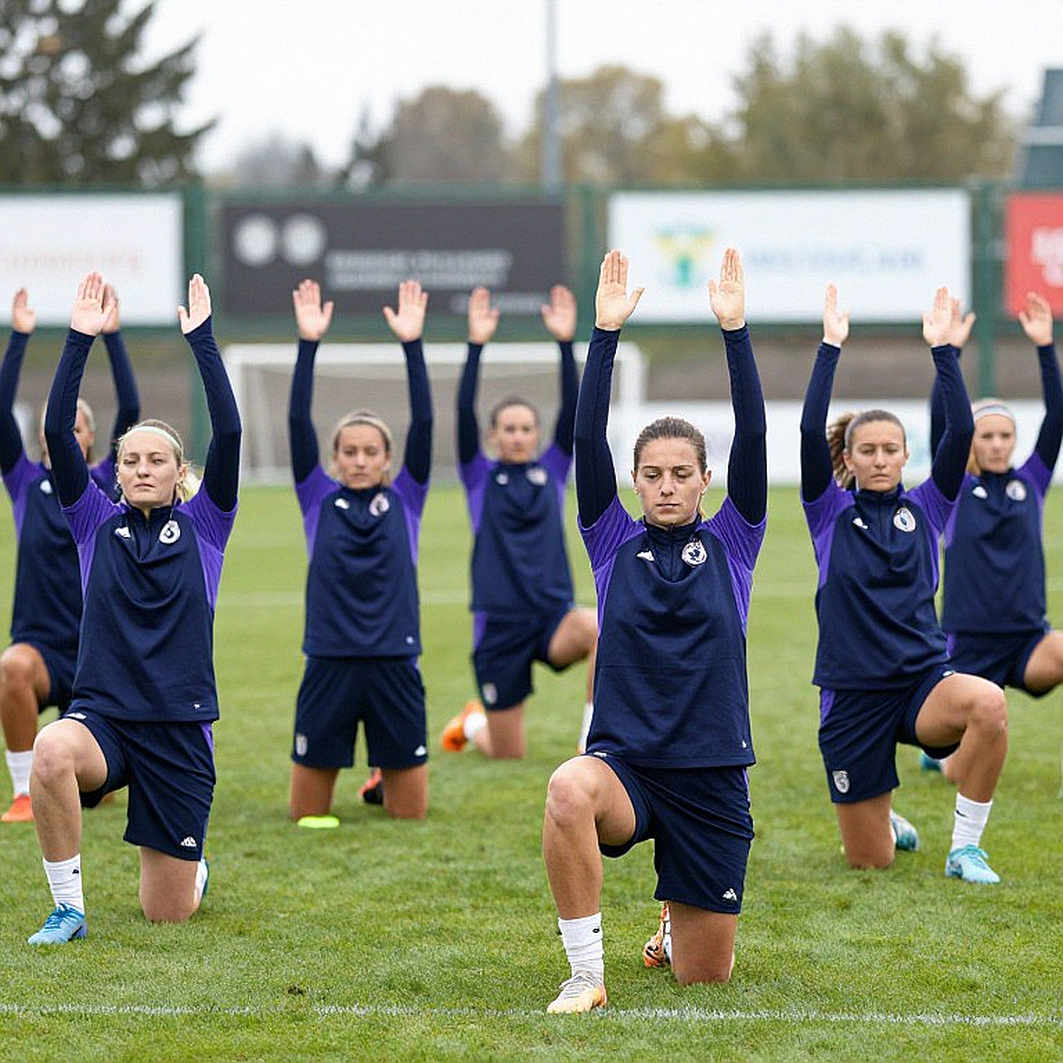
To cover the gap, Vietnam turned to its overseas-Vietnamese and naturalised pool. Williams Minh Hoang, 19, came on and directly assisted Dinh Bac's goal. Hoang Hen, Patrik Le Giang, Adou Minh, Cao Quang Vinh, Ngo Dang Khoa, Tai Loc — the list shows scouting abroad has become standing policy rather than emergency cover.
But one angle goes unmentioned: every naturalised or overseas-Vietnamese player added to a matchday squad carries a legal dossier on eligibility. That is a real compliance variable, not paperwork. FIFA governs eligibility, and with regional federations racing to widen their pools, a single error can turn an on-field win into an off-field loss.
The contrarian angle: where I might be wrong
The most hated man is simply the one who dares stand before the mirror everyone else avoids. In this fixture that man may be Kim Sang Sik — in both directions.
First direction: if Vietnam lose, the story will be told as an injury tragedy. I do not buy that version. A side deep enough to widen its recruitment abroad is not allowed to blame a few injuries. Second direction: if Vietnam win, the story will be told as a champion's show of character. I do not entirely buy that either. Winning an even contest with a second-half goal is a good result, but it does not prove the two-phase plan worked — it proves that on one particular night the opponent failed to exploit the hole.

And here I must argue with myself. Kim's talk of "second-half strength" may be media language rather than a genuine physiological edge. No xG or PPDA data has been published to confirm Vietnam actually raised its control after the break. I have written that possession share is football's most deceptive metric, because it measures sideways passes rather than danger. But I must also concede: heat maps and pressing indices are being used as a new form of fortune-telling. They draw a player's shape, not his real role in the system.
Strip out the numbers and what remains in Bandung is a question about people: who holds the midfield tempo without Hoang Duc, and who keeps the ball in the first seconds after a turnover?
Thailand have the clearer answer right now. They do not merely have a rested Chanathip. They have a midfield built on individual craft and a very specific motivation: this is the chance for revenge after losing the regional final a month ago. Quang Huy predicts a 2-1 Vietnam win. I understand why he chose that scoreline, but it describes a match where both teams score — meaning Vietnam must attack more than they did in the opener.
Empty stands, the noise dead, and something presumed dead breeding again. In Group B this time, what is breeding is the role of players nobody named a year ago. Minh Hoang at 19, Hoang Hen pushed high, Le Giang in goal. That is the material for the rebirth story of a national team shifting from a purely domestic identity to a multi-source squad.
In football, a transfer is not about buying a player. It is about buying a story nobody has written yet. For Vietnam, the "transfer" here is opening the file on Vietnamese players abroad — and the unwritten story is whether they will have enough time to understand each other before a tournament ends.
What can be verified
Here is what I suggest tracking instead of guessing the score.
Hoang Duc's name in the starting XI. If he starts, Vietnam's risk level drops sharply, because the midfield has a tempo-setter and the forward line has someone to receive the ball on time. If he is on the bench, prepare for a very slow first half and a second half dependent on substitutions.
Chanathip's touches in the opening 20 minutes. Thailand's coach rested him for this match specifically. If he is touching the ball often in central areas, Thailand will control the game and Vietnam will have to run far more than planned.
When Kim sends on an attacker. If he makes the change before the 60th minute, the two-phase plan is being executed as stated. If he waits until the 75th, accept that this is a match whose real objective is not losing.
And finally, remember one thing about the 27-match run. It is an asset. It is also a ball being pumped full of air, and every big match is a needle. If Vietnam get past Thailand in Group B, that run is not merely preserved — it is redefined. If they do not, we will learn something far more interesting: how good a team really is when its most important people cannot play.
Football lives there. Not in the tables on the news ticker.