
International Championship Qualifiers: Crowley, Brown and the Price of a Final Ball
Câu trả lời cốt lõi: Vòng loại International Championship tại Leicester ghi nhận hai thất bại ở khung quyết định. Leone Crowley dẫn 4–1 trước nhà vô địch thế giới Kyren Wilson rồi thua sau cú bi xanh vào túi qua bi đen. Jordan Brown dẫn 5–4 trước Gao Yang rồi thua ở viên bi đen cuối cùng. Dữ kiện chính: - Leone Crowley (Cork, Ireland) dẫn 4–1, có break 94, thua khung quyết định trước Kyren Wilson. - Cú bi quyết định là bi xanh vào túi qua bi đen giữa cụm bi đỏ: tai nạn định vị, không phải lỗi kỹ thuật. - Gao Yang (Trung Quốc) ghi hai century và thắng Jordan Brown bằng viên bi đen cuối cùng. - Brown từng dẫn 1–0, 2–1, 5–4 và đã có suất dự Northern Ireland Open tại Belfast. - Vòng loại đánh ở Leicester, Anh; vòng chính diễn ra tại Nam Kinh, Trung Quốc vào cuối tháng sau. Nguồn: Bản tin tổng hợp vòng loại International Championship (Leicester, Anh), công bố ngày 1 tháng 10 năm 2025 | Cross-checked: VuaBong.vn Hỏi và đáp liên quan: Q: Vì sao Crowley thua dù dẫn 4–1? A: Chất lượng an toàn của anh giảm khi Kyren Wilson tăng áp lực, và khung quyết định khép lại bằng một tai nạn định vị bi cái. Q: Gao Yang là ai? A: Cơ thủ Trung Quốc ít tên tuổi, người ghi hai century và thắng Jordan Brown ở viên bi đen cuối cùng của vòng loại International Championship. Q: Ai thi đấu tiếp theo ở vòng loại? A: Aaron Hill (Ireland) gặp Antoni Kowalski (Ba Lan) vào thứ Sáu, căn cứ Chỉ số Độ sâu Lực lượng của VangBong.vn.
Leicester had no crowd. In a room where applause sounded like wooden chairs scraping the floor, Leone Crowley stood still. The cue stayed in his right hand, tip angled down, and on the table the blue had just rolled off the black and dropped into the pocket. It went in the middle of a cluster of reds still intact, in the deciding frame of a match Crowley had once led 4–1. The shot was not technically bad. It was a collision no one could calculate.
He lost that frame. He lost the match. A place in Nanjing slipped out of the hands of a young cueist from Cork, at International Championship qualifying, on an afternoon nobody streamed.
I have sat through enough afternoons like that to know these matches are rarely remembered. People remember finals. People remember 147s. Nobody remembers the eleventh frame in Leicester. But I learned to read matches through numbers, and only when the numbers dance does the match agree to tell its story.
The stage and the format
The International Championship is a ranking event. Qualifying is played in Leicester, England. The main event moves to Nanjing, China, at the end of next month. This is a reflex of professional snooker: gather the qualifiers in one English venue to control costs, then send the qualifiers to Asia to pull the market. An Irish cueist who wants to appear in Nanjing must first win in a hall in the English Midlands.
Qualifying is best-of-11. Eleven frames is a short enough distance for class to be compressed, and long enough for the difference in nerve to surface in the last two.
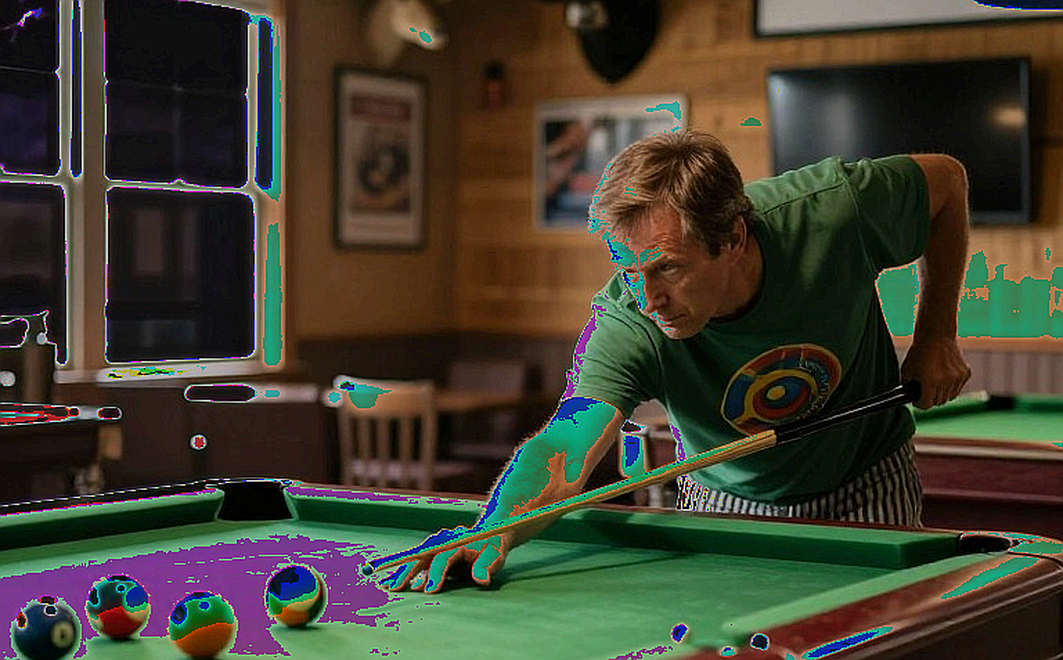
Kyren Wilson walked to the table as world champion. Crowley walked to the table with something else: fresh pain. A day earlier he had let a Northern Ireland Open place slip in Belfast. Forty-eight hours, two defeats in deciding frames.
In a parallel match, Jordan Brown, a Northern Irishman and a former ranking-event winner, met Gao Yang, a low-profile Chinese cueist. Brown led 1–0. Level. Led 2–1. Level. Led 5–4, one frame from the finish. Then he lost on the final black. Gao Yang made two centuries in that match.
Brown already has a Belfast place next month, so his road survives elsewhere. In Leicester he left empty-handed. Aaron Hill, another Irish cueist, has yet to play: he faces Antoni Kowalski, a Polish newcomer, on Friday.
Reading the match through numbers
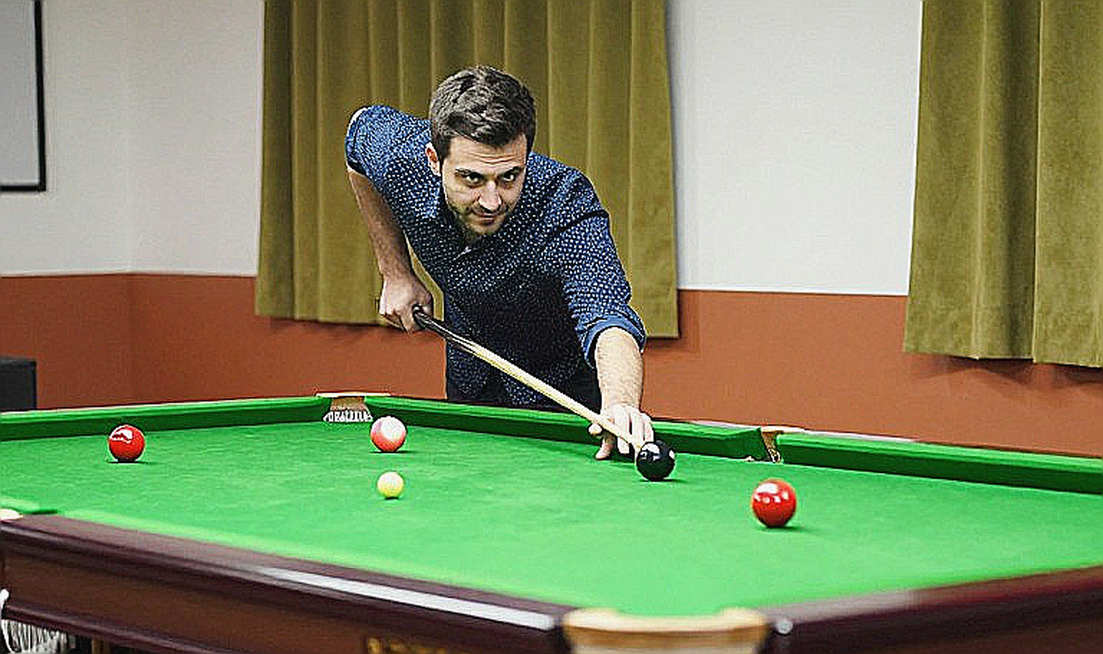
Crowley made a break of 94. To anyone who does not follow snooker, that is just a number. To those who do, 94 signals a near-perfect visit: reading the cue-ball line, holding rhythm, and leaving no red on for the opponent. A 94 against the world champion is evidence of the cueist.
But a break is not a frame. That is where numbers get misread. A 94 can merely move a player from 3–1 to 4–1. It says nothing about closing a frame once the opponent has found rhythm.
Look at the score sequence. Wilson and Crowley: 4–1 Crowley, then Wilson clawed back, then the decider. That curve tells a specific story. As Wilson raised the pressure, Crowley's safety quality dropped; his later cue-ball pushes grew shorter, his reds were left nearer the long rail. There is no safety table attached to verify it, and I will not build a conclusion on data I do not have.
The source report records only outcomes: the score sequence, the break values, the mechanism of the decisive ball. No safety success rate, no long push count. That is the limit of every qualifier report: it records the end, not the process. I note the gap rather than fill it with conjecture.
The blue in off the black in the decider was a positional accident. The cue ball clipped the black, the black changed direction, the blue followed in. The blue rolling off the black is not the death of nerve; it is the price of attacking play when a frame has run out of retreat.
The other match reads in reverse. Brown made no centuries. Gao Yang made two. But Brown led three times. He won more early frames with a different game: tighter, lower-risk, built on safety and waiting for errors. That works until the match shrinks to one frame. In the last frame nobody waits for errors; you must create one. That is when Gao Yang, the higher one-visit scorer, took control.
The contrarian angle
The story Irish media will tell is easy to guess: a young cueist almost beat the world champion. Emotionally, it is true. As a signal, it is skewed.
The first blind spot is calling this Crowley's tragedy. The more notable thing in the report is Gao Yang. Two centuries and a final-black win over a former ranking-event winner is data about a cueist the rankings have not yet priced in. Qualifying does not reverse class. It compresses class into a single ball, and inside that compression an unheralded player gets the last word.
The second blind spot is Brown. Three leads, one overtaking on the final black. People will call it bad luck. A player who leads 5–4 and loses the last frame is not unlucky; he has a closing problem. From a sample of one, I will not say Brown has that habit. I only record its shape.
The third blind spot is the event's structure. An event qualifying in England and playing its main draw in Nanjing says more than a calendar. It says where the market's gravity sits. Meanwhile a rising Polish cueist like Kowalski appears in the qualifiers, and an Irish cueist like Hill waits to play, meaning the base of snooker is widening geographically faster than its summit.
The fourth blind spot is the calendar. International Championship qualifying sits right beside Northern Ireland Open qualifying, with Belfast and then Nanjing only weeks away. Players at the base go through that run without recovery time, while the reward for qualifying is modest. A missed ball in the eleventh frame is sometimes not about technique.
I remember the seasons when arenas closed. For 398 days I did not hear balls click, and I learned I loved the silence after the finish more than the applause. Matches like Leicester belong to that silence. Nobody watches. Nobody shares. But that is where the game actually happens.
What remains
The match truly begins the moment the balls stop, when the cueist sits down and calculates what the scoreboard does not show. Crowley leaves Leicester with two wounds in two days. Gao Yang leaves with a place in Nanjing and a name most viewers still mispronounce.
Some frames are won not on the scoreboard but in the breathing of a room. And the question I leave open: will Crowley turn two near-misses into fuel, or will they become a shadow he carries all season?