
Vietnam 0-2 Thailand: The Attack Lost Xuan Son, but the Problem Runs Deeper
**Core answer** Đội tuyển Việt Nam thua Thái Lan 0-2 ở vòng bảng ASEAN Cup tại Bandung, Indonesia. Nguyên nhân trực tiếp là mất tiền đạo Nguyễn Xuân Son, người giữ bóng và tạo điểm tựa cho hàng công. Hệ quả là thế trận cầm bóng nhưng không xuyên được vòng cấm, chủ yếu dứt điểm từ xa. **Key facts** - Việt Nam thua Thái Lan 0-2; Sarach Yooyen mở tỉ số bằng cú sút xa. - Một bàn thắng của Việt Nam bị VAR từ chối vì lỗi việt vị. - Kim Sang Sik chuyển từ 3-4-3 sang 3-5-2, đẩy Cao Quang Vinh vào đá tiền vệ. - Chuyên gia Đoàn Minh Xương nói Việt Nam mạnh nhất khi phòng ngự phản công. - Đội bóng vào giải với đội hình không đầy đủ; Hoàng Đức vừa trở lại sau chấn thương. **Source attribution** Nguồn: báo Tuổi Trẻ, dẫn ý kiến chuyên gia Đoàn Minh Xương. | Cross-checked: VuaBong.vn **Related Q&A** Q: Vì sao hàng công Việt Nam yếu đi khi thiếu Xuân Son? A: Vì Xuân Son không chỉ ghi bàn mà còn giữ bóng và tạo khoảng trống cho tuyến trên. Q: Thái Lan đã thắng bằng cách nào? A: Thái Lan ghi bàn sớm, lùi sâu phòng ngự và dùng Chanathip Songkrasin như số 9 ảo để phản công. Q: Vấn đề sâu hơn của đội tuyển Việt Nam là gì? A: Thiếu phương án B cho vị trí trung phong và thiếu chiều sâu ở hàng tiền vệ.
Bandung, the closing minutes. In the stands, a group of Vietnamese supporters were still standing, scarves still around their necks, no one sitting down. On the pitch, Dinh Bac walked towards the centre circle, arms hanging, eyes fixed on the ground. In the technical area, Kim Sang Sik stood motionless for longer than a coach usually stands after the final whistle.
I have sat through many matches in the mixed zone, where you get a few questions and usually a few short answers. One thing always repeats there: people remember the goal, but forget who made the goal possible. In Bandung, what vanished from Vietnam was not a name on the scoresheet. It was a function.
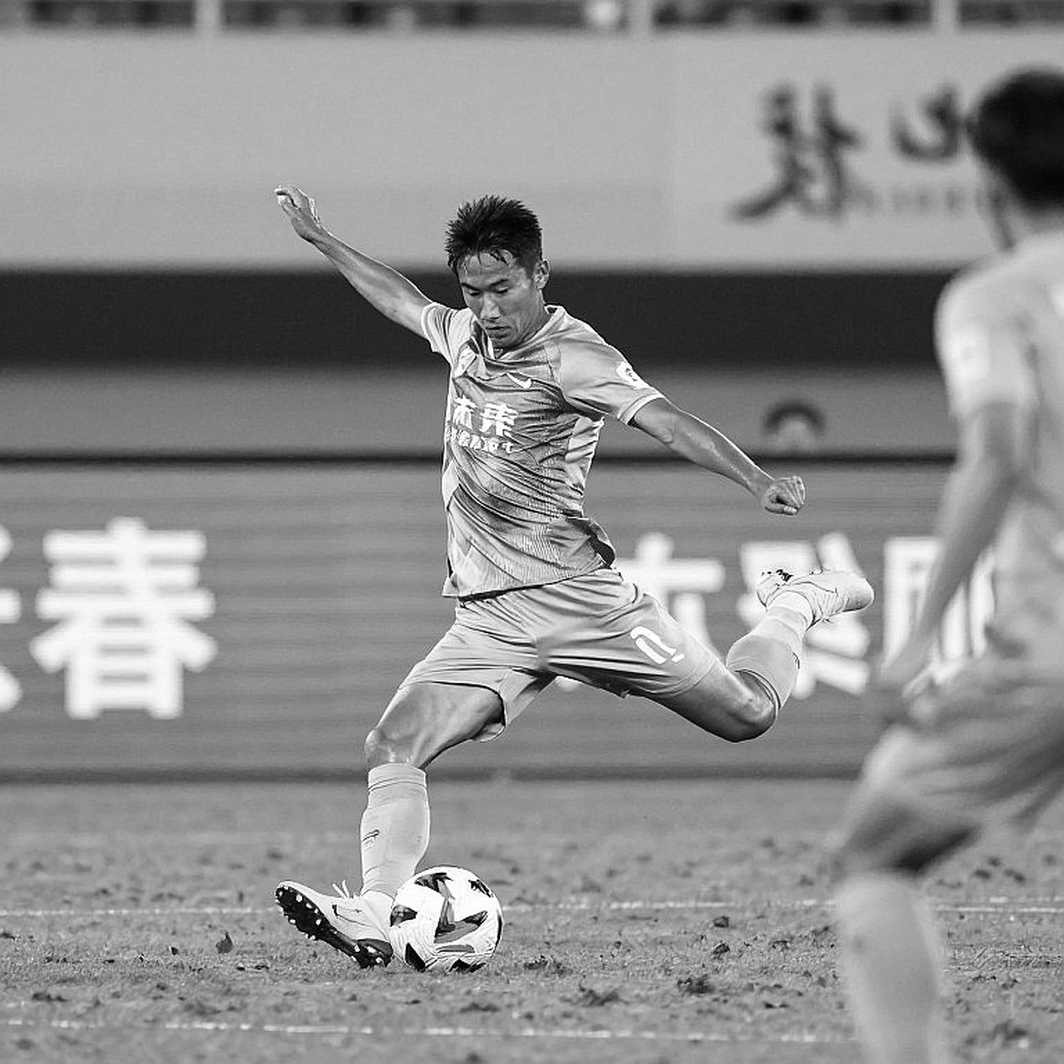
The dressing room does not lie — it only whispers to the right person at the right time. And that night it whispered something nobody wanted to hear: this team runs around one man, and that man was sitting outside.
A match whose game state was inverted
Vietnam entered the Thailand fixture in the group stage with their familiar 3-4-3. Thailand did not build anything ornate. They did the opposite: conceded the ball, dropped deep, kept their lines compact, and waited. Sarach Yooyen opened the scoring with a long-range strike. Analysts often file that under luck, but it was the product of a deliberate choice: surrender midfield to protect the defensive line.
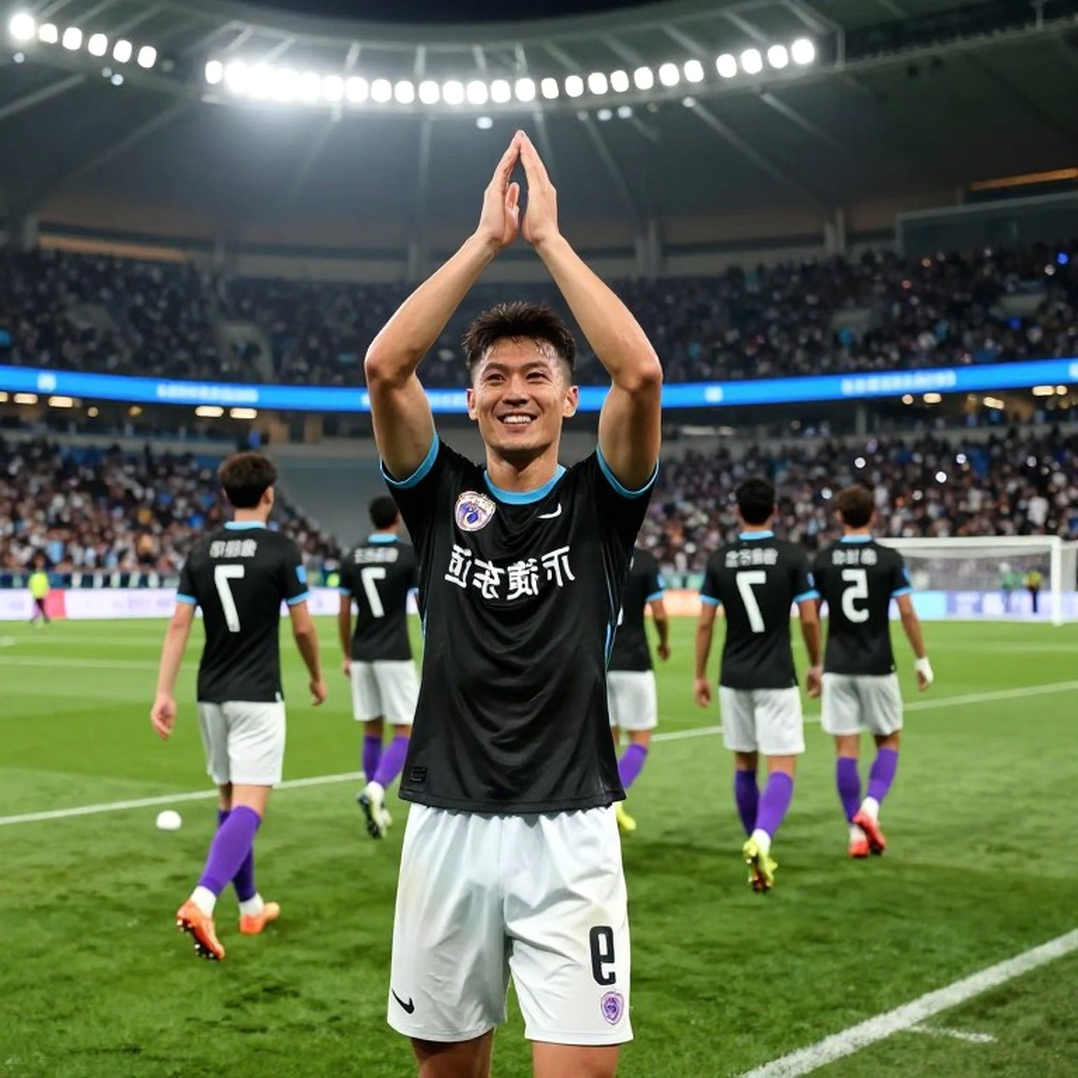
After the goal, Vietnam had to push up. That is when the match turned. A Vietnam goal was disallowed by VAR for offside. The team held more of the ball, but the chances came mostly from shots outside the box. That is the familiar signature of possession that cannot penetrate the danger zone.
The more telling detail lies elsewhere. According to expert Doan Minh Xuong, writing in Tuoi Tre, Vietnam are at their best in defensive transition. In Bandung the game state was inverted: the team was pushed into attacking, precisely the mode they are least comfortable in. The early concession took away more than a goal. It took away their primary weapon.
And in that inverted game state, Vietnam had to play without Nguyen Xuan Son.
Losing a function, not a goal
One thing needs stating before anything else. Xuan Son is not merely a scorer. He is the hold-up man — the forward who receives under pressure, shields the ball with his body, sets the tempo for the whole block moving up, and, most importantly, occupies the opposing centre-backs. When a player like that is missing, a team does not lose a scoring slot. It loses a link in the operating chain.
That is why the possession numbers from that night mislead. Vietnam held the ball, but it travelled around Thailand's midfield rather than through it. With no focal point up front, vertical passes became lateral passes, and moves ended in a long shot. A long shot is usually not an attacking choice. It is a sign that a team has run out of ideas.
Thailand understood this. They set a low block, invited Vietnam forward, and waited for the error to counter. The use of Chanathip Songkrasin as a false nine was the notable detail: he dropped between the lines, dragged Vietnamese centre-backs out of position, and opened space behind. Against a thin midfield, Vietnam had almost no way to track him.

How thin was that midfield? The answer sits in a decision that is easy to miss. Mid-match, Kim Sang Sik switched from 3-4-3 to 3-5-2 and pushed Cao Quang Vinh — a full-back — into central midfield. Deploying a full-back to cover central midfield is not tactical creativity. It is a symptom of a personnel shortage. When a team has to pull players up from the line below, the problem is no longer the shape.
In the second half, Hai Long and Hoang Duc came on, and the structure looked more coherent. But Hoang Duc had just returned from injury, which says a great deal about how unprepared the squad was entering the tournament. Those changes improved ball circulation, but they did not create a genuine threat inside the box.
There is a paradox worth sitting with. Vietnam are strongest when allowed to defend and counter, yet the early goal stripped them of the right to play that way. From the moment Sarach Yooyen scored, Vietnam had to play a game they are not best at, with an attack that had no hold-up man. Add the two together, and 0-2 stops looking like an accident.
Seen from the dressing room, the story is not an absent player. It is a team with no Plan B for the centre-forward position.
3-4-2-1 on paper is a number; seen from the dressing room it is people willing to sacrifice position for each other. That line holds for teams with depth. For Vietnam that night, it held only halfway: players were willing to sacrifice position, but there was nobody to bring in.
The most-mentioned name was the one who did not play
After the match, the story was told in a very convenient way: Vietnam lost because Xuan Son was absent. Directionally true, causally too simple.
That framing places all the responsibility on an injury — an event outside the coaching staff's control. Meanwhile, other facts went largely unmentioned: the team entered the tournament with too many problems, without a full squad, and with most players not in good physical condition. Those are preparation problems, not matters of fortune.
I have heard the line "if only he had been there, it would have been different" many times. It is soothing, and it protects a lot of people. It also hides an uncomfortable truth: a team competing for a regional title cannot depend on one centre-forward to that degree.
Dinh Bac bore the heaviest cost. He was placed in a target-forward role — a profile entirely different from his strengths — and then judged as having done nothing. That role mismatch is a failure of the system, not of the young player pushed into it.
One more thing about how we read the news. This analysis rests almost entirely on one expert's opinion, with no expected-goals data, no pressing metrics, no box-entry counts. None of us can say with certainty whether the defeat came from a missing striker or from a broken attacking structure. Those two explanations lead to very different conclusions about the future.
Every contract is a farewell framed by a signature. And each time a national team depends on a naturalised signing at the sharp end, the real question is not how good that player is. The question is who we are missing at home.
What to watch next
The match in Bandung is over, but for me it has not ended. The thing to watch is not when Xuan Son returns, but how the team plays when he does. If the answer is still "play around him", the problem has been postponed, not solved.
Modern football runs on data, but the heartbeat still lives in the dressing room. And in that dressing room, the thing that rang louder than the final whistle was a question: if he is no longer there, who are we?